Location London
Published June 28, 2026
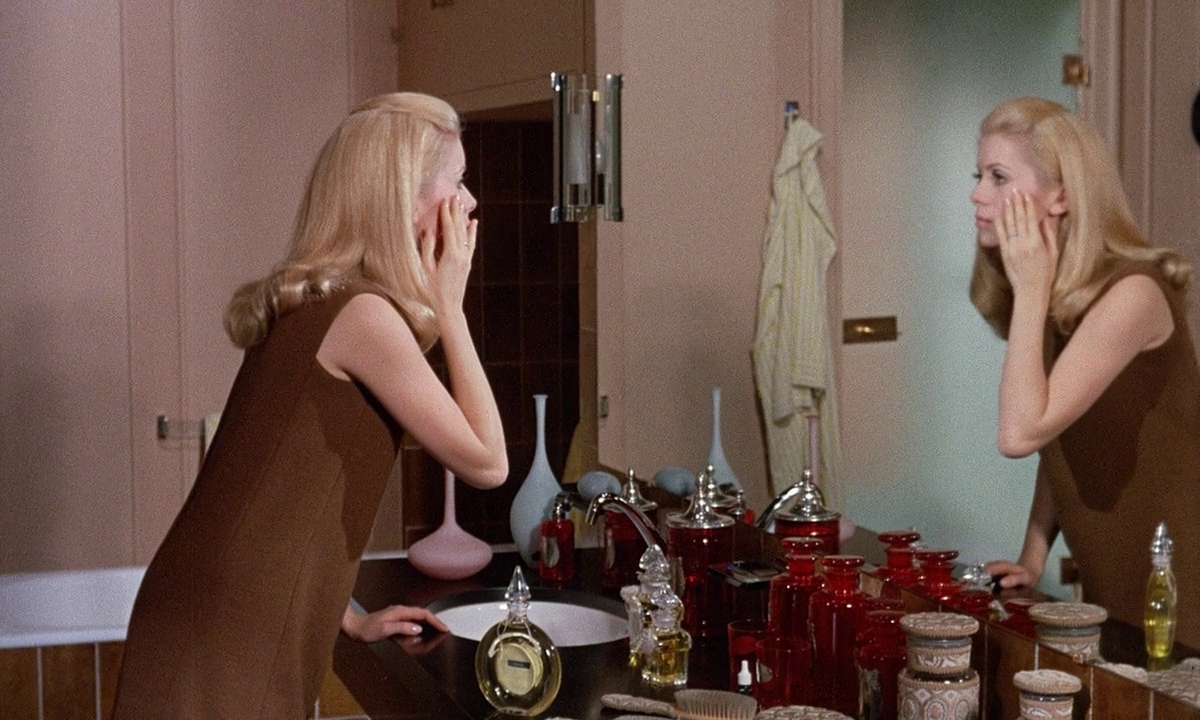
Belle de Jour (1967), dir. Luis Buñuel
Intro:
You watch a film, you feel it through. You come out of the experience knowing there’s more to it. The patterns on the leading lady’s garment whispered curious ambiguity. The oddly symmetrical lighting of the opening scene sent the mind on a quest for meaning. Scouring all sources at your disposal, you look for answers, for kindred spirits, for people who noticed what you noticed, felt what you felt. The film brought a script to life, yes, but it also touched that special part of you, the one that connects personally and experiences deeply.
Over time, you yearn for that same connection. You seek our familiar lighting. You compare shades and colour palettes. You scour the internet again, and luckily, you find a video that not only proves that what you felt was real and shared by others, but also gives you more projects based on the exact sensations you searched for so passionately. Oh, how I longed for film recs for the girlies!
Like many conversations about creative work, discussions about films can feel alienating and sometimes complex for no reason other than performative intellectualism (yes, film bros, I’m looking at you). For people who really want to get into film and explore the complexities of plot and the nuances of cinematography, the question of “where to start” can be overwhelming.
For a while, I had to get by on scouring the internet for niche film review articles and convoluted breakdown videos to dive deeper into the story behind my favourite projects. Then, the TikTok algorithm blessed me with Sumi’s videos.
Mulholland Drive (2001), dir. David Lynch
Clear and concise, yet in-depth and sincere, they were everything I was looking for. As a lover of fashion and film, the intersection in which Sumi’s videos take their rightful place felt like home. In the sea of script synopses, Sumi’s content is as engaging for long-time film lovers as it is for those just getting into the practice.
After Sumi’s videos began regularly circulating on my FYP, I was enamoured by the incredible sincerity with which she covers every new topic. I learned a lot with each one, of course, but I was also more motivated than ever to consciously consume films, study small details, investigate costume origins and develop new thoughts on the genres of cinema. So far removed from the pretentious superiority of guys misunderstanding the lessons of classic films, it felt like the voice of the film girlies grew stronger. Her content did not just make me want to consume more films; it made me want to do so with curiosity, with singular focus, and with great intention.
Of course, I had to share Sumi’s content with as many people as possible, the only way I knew how to, through MKH. Fast forward to me reaching out to Sumi directly, asking her for an interview, and almost jumping out of my chair with excitement when she agreed. I encourage you to check out her content before and after this interview; you will definitely walk away with some new ideas and at least ten new movies on your watchlist.
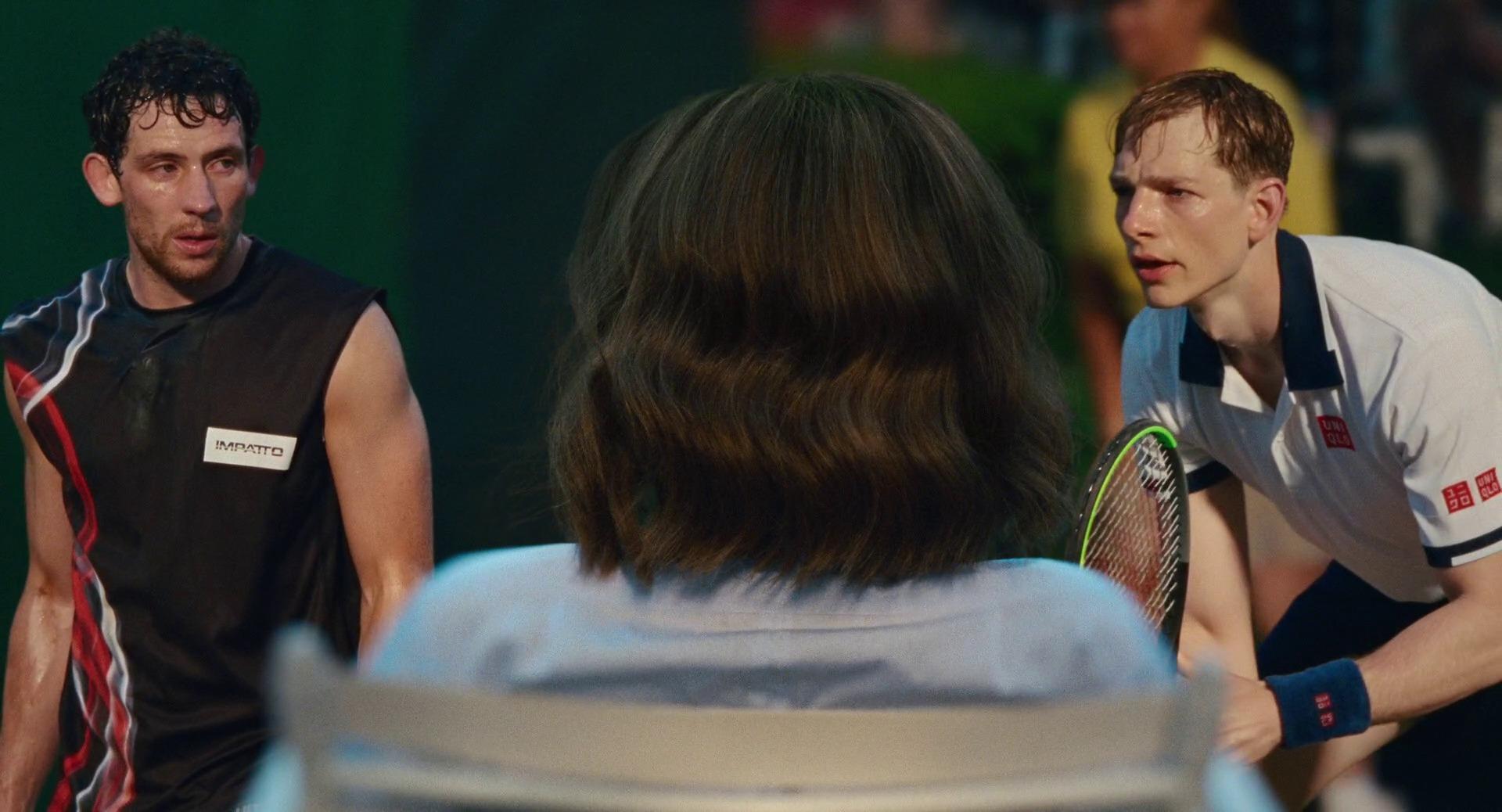
Challengers (2024), dir. Luca Guadagnino
Transcript:
Asya: So first, tell me a little bit about yourself and your content.
Sumi: Hi, I’m Sumi. I make videos about films and fashion. I’m London-based. I went to uni here, and yeah, I’m excited for a chat today.
Asya: So, how did you first start your profile and start recording content on TikTok and Instagram?
Sumi: Honestly, it was kind of random because I never wanted this to be my job. I wanted to be a diplomat when I was in university. And then I realised that I don’t have the patience or the personality for that, and that I also can’t dress the way I want to. It’s just so many things that are unacceptable for me to do if I were to be a politician or a diplomat.
And then during my time in uni, I joined my uni’s film society. And around that time, I was watching a lot of films, obviously. And I had previously been making silly videos about, I don’t know, just TikTok dances with my friends. But I was like, maybe I want to talk about the stuff that I’m watching. And I initially started because I was re-watching Gossip Girl. And I made a bunch of videos about Gossip Girl. And I really quickly got tired of it. I hated it so much that now I can never watch the show again.
Then I think it was around the time when Challengers came out that I was like, oh my god, there are so many interesting discussions around this film on socials right now. And I kind of want to share my thoughts and feelings and see what people have to say, and that went really well.
Asya: I love Challengers so much. It was so interesting. The camera work, everything was just incredible.
Did you always want your content to centre around fashion and film?
Sumi: It was honestly kind of by accident, but I think it’s because I’m genuinely interested in both, so it was almost inevitable. I love fashion. I love films. I’ve always been somebody who looks at costume design when I watch a film, so that happened pretty naturally, I think.
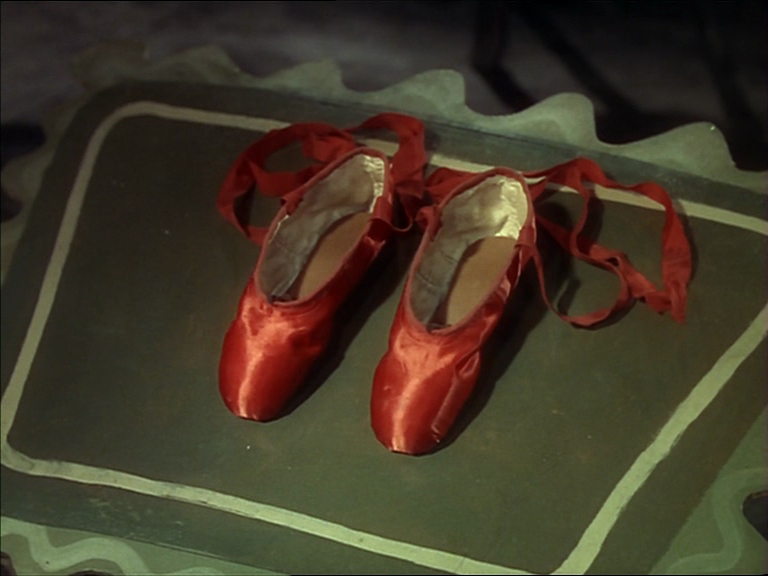
The Red Shoes (1948), dir. Michael Powell and Emeric Pressburger
Asya: Why do you think people are really interested in this intersection between fashion and film? Because these are two such multifaceted big subjects. Why do you think there is this middle ground between them that people just get really, really into?
Sumi: I think, naturally, as human beings who consume different forms of media, we’re inclined to seek meaning in things. And I think what I see people commenting on the most, or what they like the most, is when I look at costume design as an extension of the storytelling, which I also just love to do.
And even vice versa, if I look at a collection that a designer puts on at Paris Fashion Week, I’ll usually look into if there were any inspirations pulled from films or any paintings that I really like.
Last season in Paris, I had the pleasure of seeing Miguel Castro Freitas’ debut at Mugler and his collection was inspired by a bunch of films that I really like. There’s like a whole list on Letterboxd about it, like all the films that inspired that collection and the next two that are to come. So yeah, I love talking about things like that and finding out what inspired artists that I admire.
Asya: It’s so cool that there’s so much correlation between the industries as well. I think once you spot the subtle references, you start to kind of see them everywhere, in every film, every little detail. And that’s so amazing.
So is that also something you want the viewers to take away from your content? And what, in general, do you want people watching your content to take away from it?
Sumi: Yeah, definitely. Ironically, I want people to get off their phones as much as possible. I know I’m the most active on the app that’s worst for your brain. But I think just encouraging people to think more critically and consume things mindfully, and like read about fashion, read about films, watch more films, read more books, so that we can foster an environment on social media where we’re not mindlessly consuming things.
Unfortunately, social media is often the place where nuance goes to die, which I hate. But I try to counteract that a little bit with my videos a little bit.
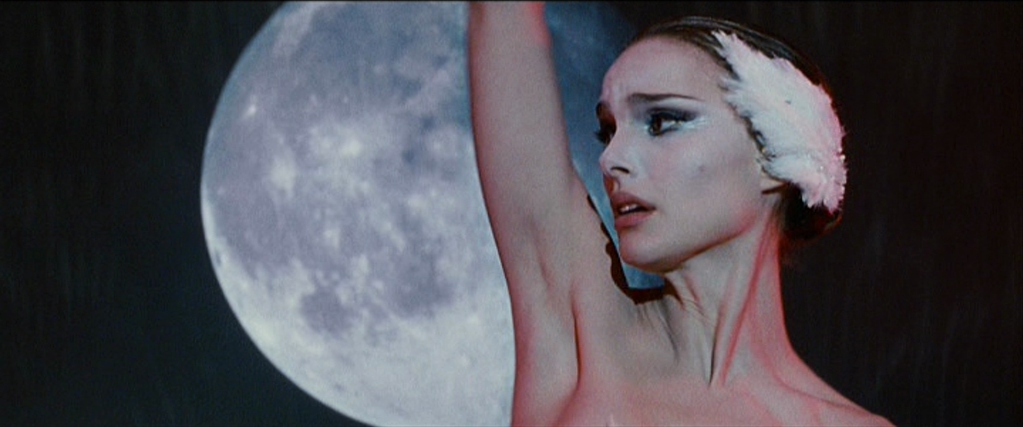
Black Swan (2010), dir. Darren Aronofsky
Asya: Honestly, I think it’s working. I really love your videos because of how deep they go into this. And also because some of the references that you’ve made in your videos actually made me put my phone down and think, oh, actually, I’m gonna go see where this quote is from. What about this book? What about this film? Let me analyse this through like this writing. What reference was that? So thank you for that, first of all.
Sumi: Amazing. I’m glad.
Asya: What’s the process like of you picking subjects for your videos and picking films that you discuss?
Sumi: It’s a little bit cyclical in a way. And it goes back to what I was saying before, but if I become obsessed for whatever reason with a director or designer or a painter, I’ll usually research a bunch of what inspires them, who their favourite directors, painters, designers are. And then I’ll usually want to understand where their inclinations towards art come from. And that’s when I start exploring the things that they’ve consumed. But in general, I think my favourite thing to do is to watch films and talk about films with really interesting female characters.
Asya: I know it’s a bit of a tough question, but what is your favourite genre of film? Or at least the one that you really enjoy immersing yourself in and diving deep into?
Sumi: I love psychological thrillers a lot. Even unconventional psychological thrillers. I love films like Black Swan and The Red Shoes. I mean, obviously, anything ballet-related, because I grew up dancing ballet, is really cool to watch. But even Pearl, which is a bit more horror, I guess. Surrealist psychological thrillers and horrors. Anything by David Lynch, as well, I love. Even Alfred Hitchcock. Yeah, I think those are probably my favourites. Asya: I think they all kind of, they’re very different films, but they all have such a specific energy about them and such a specific build-up that is really interesting. Psychological thrillers, I think, also have a lot of references within them. I think to a lot of writing literature, even fashion, there’s so much expression in them. I think that’s really cool because when you’re having a story that has so much tension, you want kind of fashion for that matter to be this driving force to it, which I think is really cool.
Sumi: Yeah, for sure.
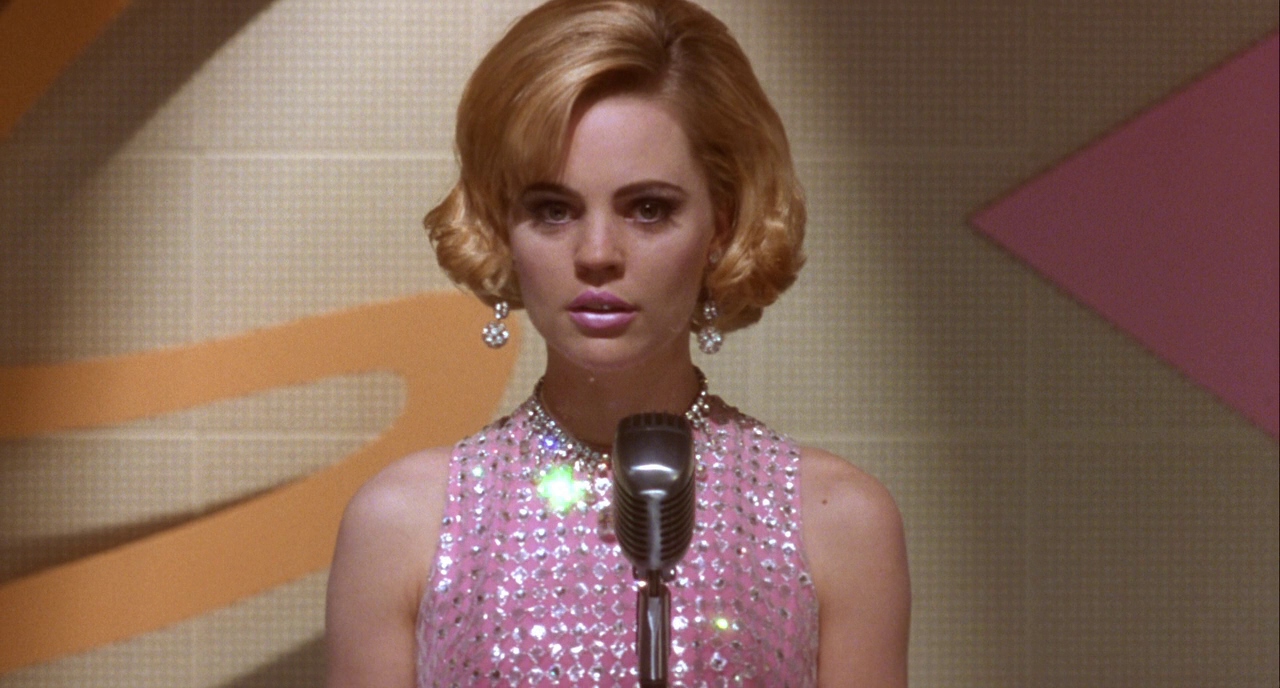
Mulholland Drive (2001), dir. David Lynch
Asya: Which I see a lot in your content. And also, what I see in your content is a lot of just your genuine love for film and for all of this. It’s very genuine. It’s very authentic. It’s very much, you feel your excitement about what you’re talking about.
How do you stay authentic, and how do you keep that excitement throughout all of your videos? Because I know that it can get a bit tiring to kind of, still, it’s TikTok, and you still have to follow this similar formula in order to tell these stories about these films. How do you stay this excited and authentic in all of your videos?
Sumi: Thank you, first of all. That’s really nice. I struggle to perceive myself as being authentic. Whenever I’m editing, and I watch my videos back, I’m like, it’s giving no personality. I’m so tired of myself. And I think I’m pretty different in real life, if I’m being honest, because I think that as soon as you put a human in front of a camera, you introduce an element of performance naturally.
But in terms of excitement for the films that I’m talking about and watching, to me, it doesn’t really matter if I like the film or not. I still think there’s always something to talk about, and I’m still really curious to hear other people’s opinions and why they may have enjoyed something that I didn’t. And yeah, that’s what it boils down to for me, because I’m just genuinely curious about these things. And I love talking about them. But yeah, thank you for saying that. I really appreciate it. Asya: I mean, it’s true. And I know that it can get a bit, as someone who has to sometimes edit myself for videos, I know it can get a bit overwhelming when you’re like, oh, I’m so tired of looking at this.
Sumi: I know. I’m like, oh my god, girl, what?
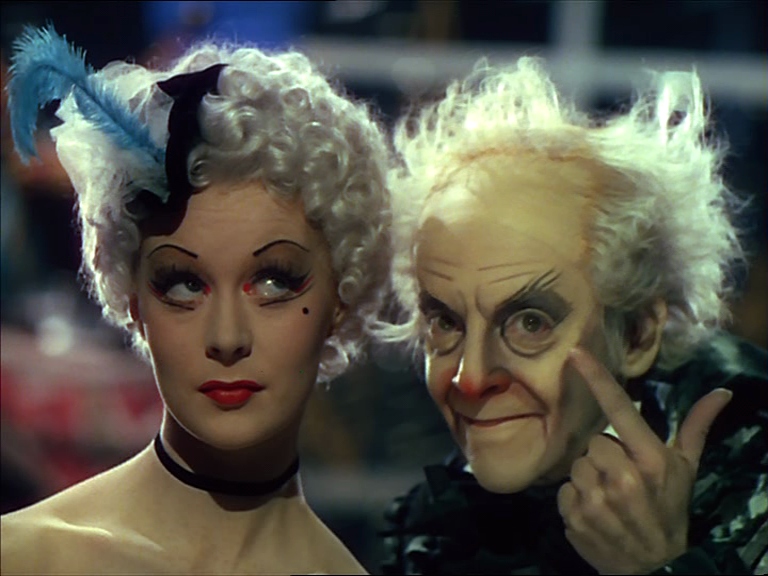
The Red Shoes (1948), dir. Michael Powell and Emeric Pressburger
Asya: So it comes off really great and really genuine. And that’s amazing. To go deeper into a discussion of film and fashion in general, on your TikTok, you have a series that’s titled “Girls on Film”.
Why do you think it’s important to highlight these female characters in cinema and to tell their stories?
Sumi: I think historically, the cinephile space has always been super film bro heavy, which I’ve always hated. And my interactions with film bros on social media have never been positive. I think what I have been wanting to do and what I’ve been trying to do is to counteract that a little bit.
I guess when I started making videos about films, I didn’t really have a lot of young women talking about films with complex female characters or analysing films through a feminist lens. So that’s what I started doing, and that’s what I’ve enjoyed the most, I think, because it’s also like, as a woman coming with this unique perspective, you can even analyse the most film bro-y things you can think of through that lens.
Like The Wolf of Wall Street, for example, Martin Scorsese himself describes that film as being anti-capitalist and feminist. And I love it. I love talking about, I guess, the ideologies that I’m interested in, but also perceiving the reaction to things like that. It’s like when you say something like that and film bros will inevitably find it, they lose their minds. And it’s so fascinating to observe. I mean, it’s great for me because I get entertained in my comment section.
Asya: It’s really funny how gated that kind of community of opinions on films really is, where they’re just not allowing for any other perspective on their favourite film.
Sumi: Yeah, for sure.
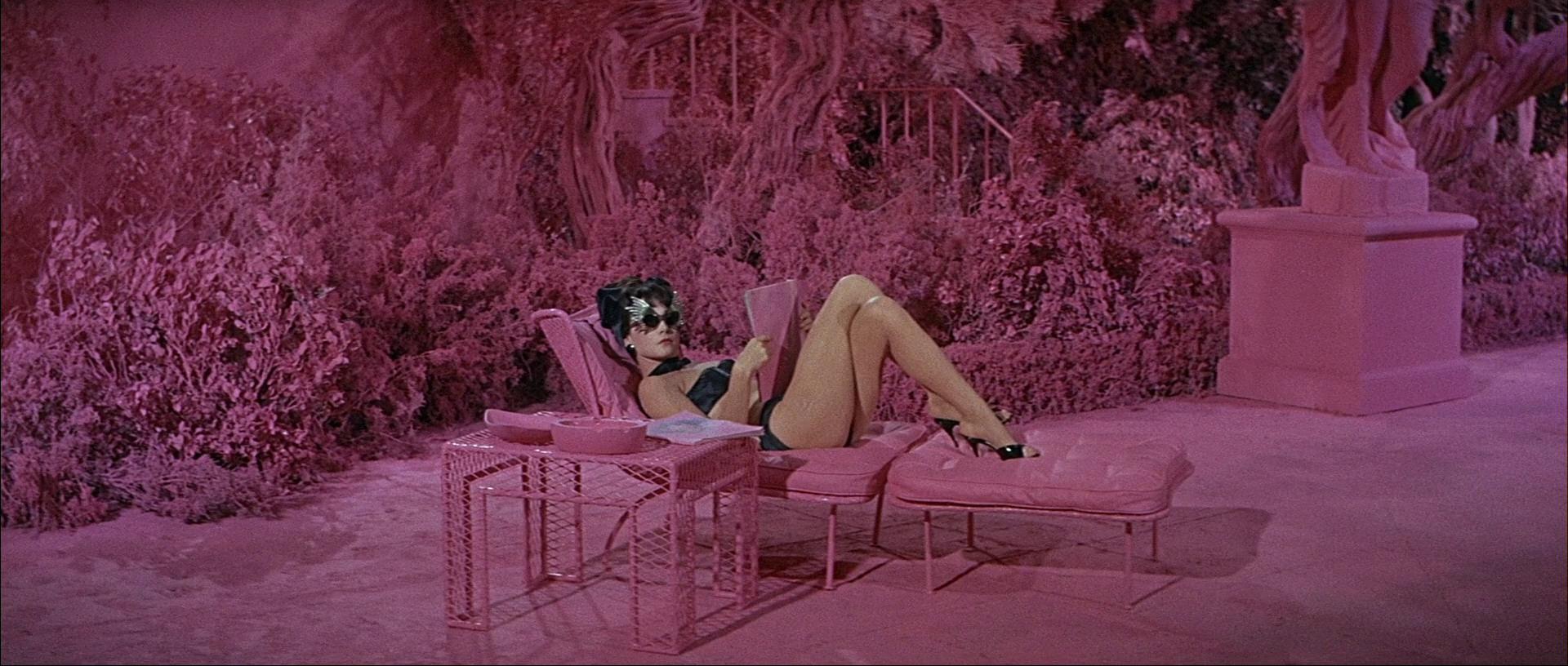
What a Way to Go! (1964), dir. J. Lee Thompson
Asya: Anytime you try to give them something interesting. Whenever someone tells me their favourite film is American Psycho and they’re a film bro, I just tend to leave the conversation at this point because I’m like, I don’t think there’s going to be a discussion in which you’re going to actually welcome my opinions on the matter. So that’s really interesting.
But there’s such a big community of film girlies who completely agree with you. And it’s so great that you’re pushing our agenda forward a little bit.
Sumi: Yeah, I’ve been seeing a lot of really cool girls and smart girls on my FYP talking about exactly what we were just talking about. So that’s a great development.
Asya: Why do you think fashion has been such a prominent tool in film storytelling always? And how do you think that relationship evolved in the last decade?
Sumi: I think this goes beyond film, but fashion has obviously always been a form of self-expression for people. And I think that when you go into the cinema, and you watch a film, all of that is amplified and exaggerated. You can really take costume design to an extreme. Whereas in real life, sometimes you can’t dress to an extreme because you’re bound by the confines of your life and the circumstances of maybe having a job and things like that.
I think it’s fascinating. I also think that what I’m most fascinated by are people who really shaped the way that costume design has developed in film. Edith Head, who I love, who’s one of the OG costume designers. And even collaborations like YSL and Catherine Deneuve on films like Belle de Jour, which are incredible. And that really changed the game for me, but also advanced the way that costume design and fashion in film are used to help tell a story.
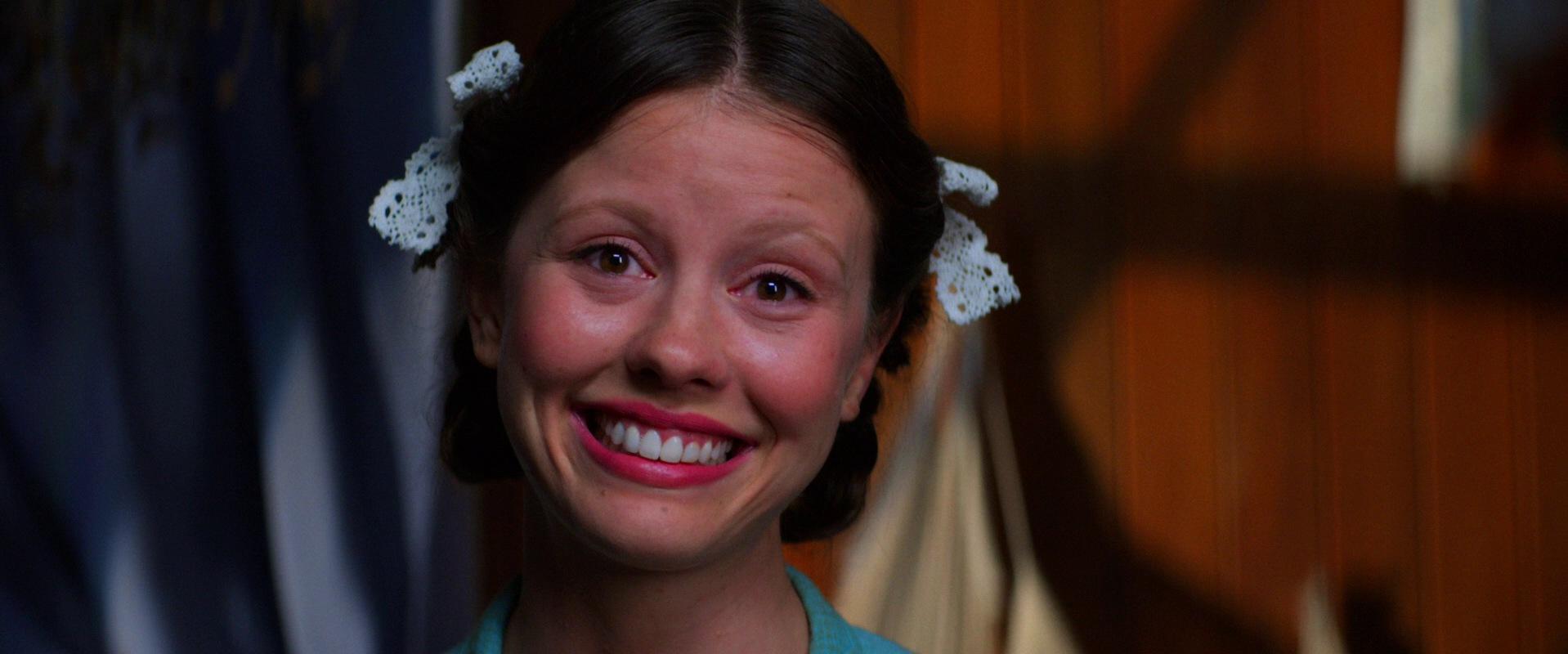
Pearl (2022), dir. Ti West
Asya: I’m interested in getting your opinion on this. I think there are certain films that practise costume design in a very contemporary way, where they try to just express the wearability of clothes or the characters. And then there are movies, even like Wuthering Heights, for example, that is now in cinemas, where costumes and character dressing are taken to such a point where it’s just completely out there, where it just kind of tells this insane story, and it’s very jarring at times.
How do you think these different types of costumes and designs affect people watching the movies, affect the plot, and affect the takeaway that people have from the movies?
Sumi: It really depends. And I think it’s exactly what you said. It depends on the film. The first thing I can think of is like, we were just talking about Challengers, right? And I think that in films like Challengers, you kind of get to communicate a character’s desires and motivations a bit more simply, just because they’re in sportswear most of the time. And so you kind of have to narrow it down and focus on colour as opposed to a film like Wuthering Heights, where you can really push it to the max. Be super maximalist and, you know, exaggerate everything a little bit.
And I think in terms of how audiences perceive that? I think that, I mean, I can only speak from my experience. I can appreciate both for different reasons and in different contexts. I love what Jonathan Anderson did with Challengers, but I also love what, Jacqueline Duran did for Wuthering Heights as well, from what I’ve seen so far.
It always depends on the context of the film. And I think both can be exciting for different reasons.
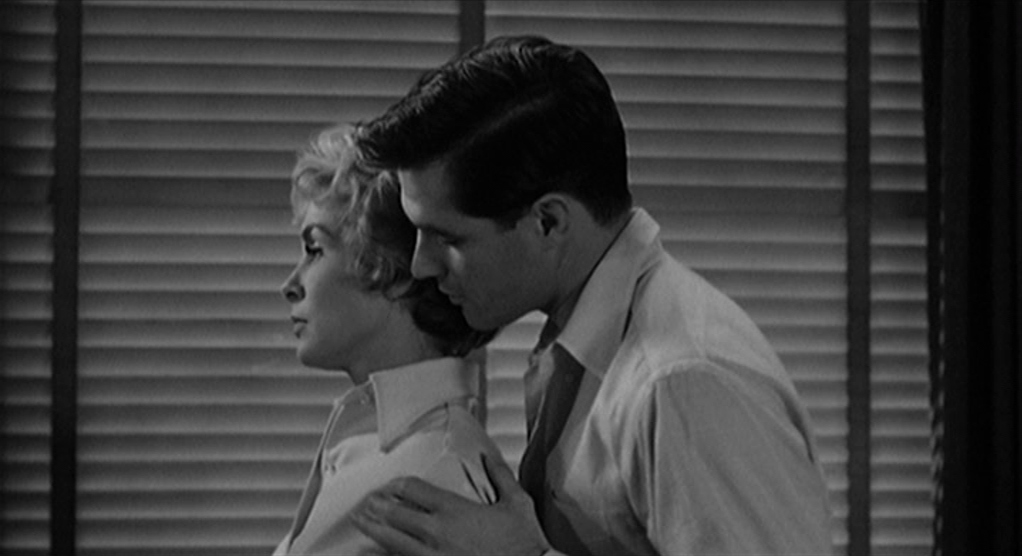
Psycho (1960), dir. Alfred Hitchcock
Asya: You approach film, just in general, film consumption from all of your discussions from such a conscious perspective and from such an immersive perspective in the whole experience. And I think talking about costume, talking about references earlier, you spoke about how you go deep into what the links are, what the director’s favourite writers, books, and references are. So you kind of just immerse yourself in their world completely.
Why do you think this kind of conscious consumption is important in the current landscape of just the approach to film in general, in public?
Sumi: In an age of people trying to push the narrative that art and politics can be separated, it’s more important now than ever. I personally approach every piece of media that I consume, whether it be a book or a film or a fashion show, whatever it is, from a political perspective and maybe because of my background as well, because I did politics in university.
But I think that inherently, I mean, it’s something I can’t divorce from one another. It’s always been inherent to how I view things, how I discuss things, even with my friends and family.
In terms of how things have changed in the last 10 to 20 years, I think, like, I mean, social media has amplified everything, all the discussions that we have. But also, like I said before, it has really taken the space for nuance away from us. It’s really difficult to have levelled and intelligent discussions with people because you’re in a comment section. Unless you’re making 10 response videos to one another that are 10 minutes long each, it’s not really a productive conversation.
While I recognise that I’m very much privileged to have a platform on there, it’s frustrating to see people unable to have like conscious and productive conversations on there about art.
Asya: All the conversations online have also taken away from just having this discussion with someone randomly about this amazing film that you really love. I think no matter how conscious we try to be, it’s still limited to one minute. That’s why I really enjoy having conversations like this, where I’m like, okay, we can actually have this space to discuss it and to break it down a little bit more than just having a comment response video. Which is great.
Sumi: For sure.
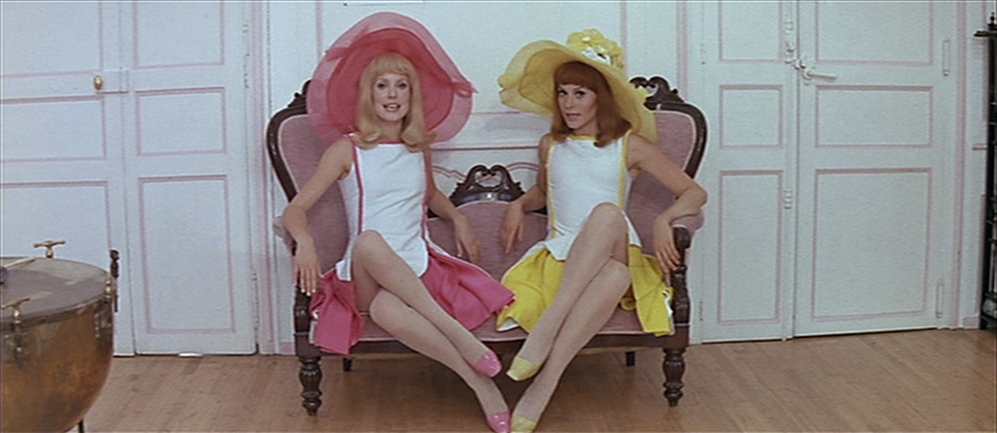
The Young Girls of Rochefort (1967), dir. Jacques Demy
Asya: Some of your videos cover red carpet moments and celebrity fashion from all the way back in the 20s and 60s, and all the way till now.
What role do you think fashion plays behind the scenes and on the red carpets, and on, I guess, back then it was mostly just red carpets. Now it’s a bit more everyday life of celebrities as well. So what’s the general role you think?
Sumi: I love method dressing so much. So I get really excited for press tours that really take that to the max, whether that be the work that Andrew Mukamal has done with Margot Robbie on Barbie and Wuthering Heights. I love things like that.
And I do think that it brings a whole new audience to the film, potentially. I know a lot of people in my life who aren’t like the biggest cinephiles who love fashion, who have perceived different press tour runs and looks and were like, hey, maybe I should go watch this film because I love the work they’ve done fashion-wise to promote this film. And I think it’s really important.
I kind of love that method dressing is a big thing now. And I’m really excited to see what they do with The Odyssey, for example, and Zendaya and Dune. And I loved that.
I think it was a Mugler look as well that Zendaya wore to the last Dune premiere that had, I mean, everybody in conversation. I don’t know if there’s any actual empirical evidence that I can give you and say this puts butts in the seats at the cinema. But I imagine it definitely incurs some kind of curiosity from people, which I love. That’s great. That’s all I want.
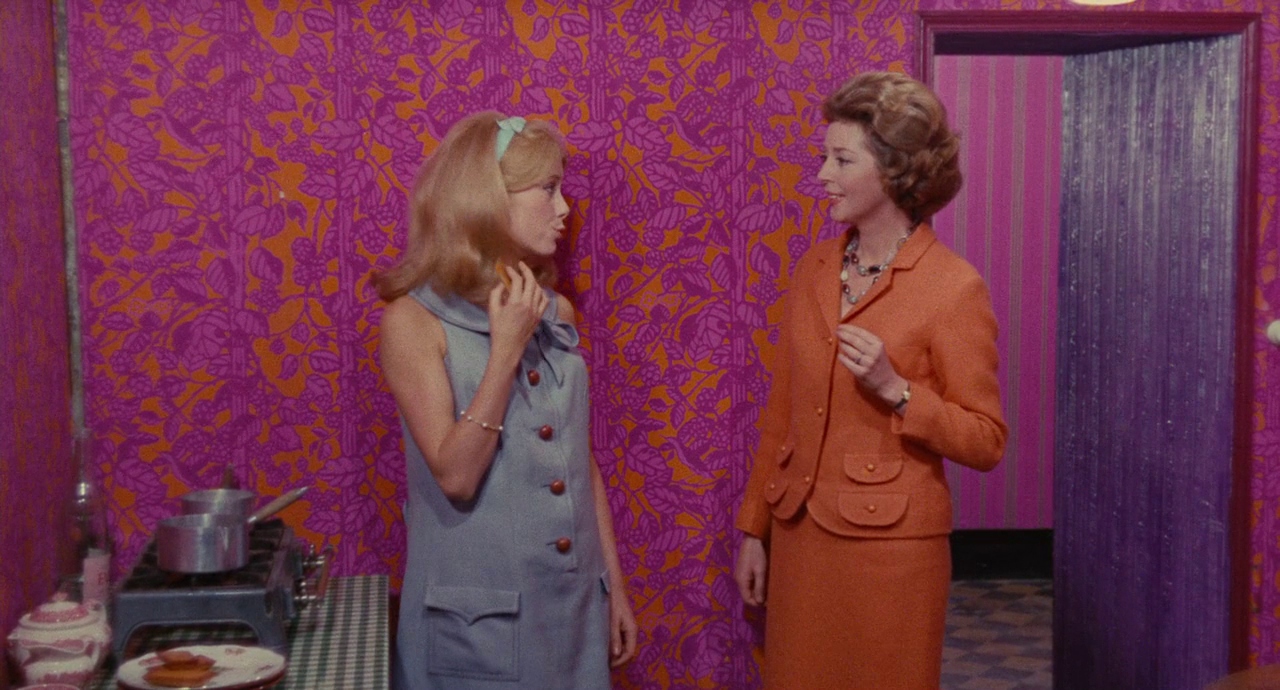
The Umbrellas of Cherbourg (1964), dir. Jacques Demy
Asya: And how do you think, in general, the fashion and the red carpet fashion changed in the last decade, or a couple of decades? From celebrities in the 90s and 80s and whatever on red carpets to now, we have all the method dressing stuff?
Sumi: I don’t think I can tell you how I think it changed. I feel like it’s a natural progression. Celebrity fashion in general has changed a lot as well. And the way we talk about it has changed.
And I think that this is like a hypothesis I’m thinking about now. But you know, we have very limited attention spans, so anything a celebrity’s team and stylist can do to get people to pay attention is probably helpful. I guess, yeah, the first thing you think about when you look at a celebrity is probably whether you like their outfit or not, if you’re a fashion lover. And I think naturally, because we have social media and we have a lot of conversations around celebrity fashion happening as it is, capitalising on that is probably very lucrative and smart. Yeah, that’s just that’s my theory, I guess.
Asya: It’s very attention-catching, and it does get people to speak a lot about the movies, which is always great. And to kind of, I guess, even translate like the general sense of what the movie is and the general vibe of it, which I think in an age where everyone’s just so scared of not knowing what they’re committing to, even if it’s a two-hour film, that’s something.
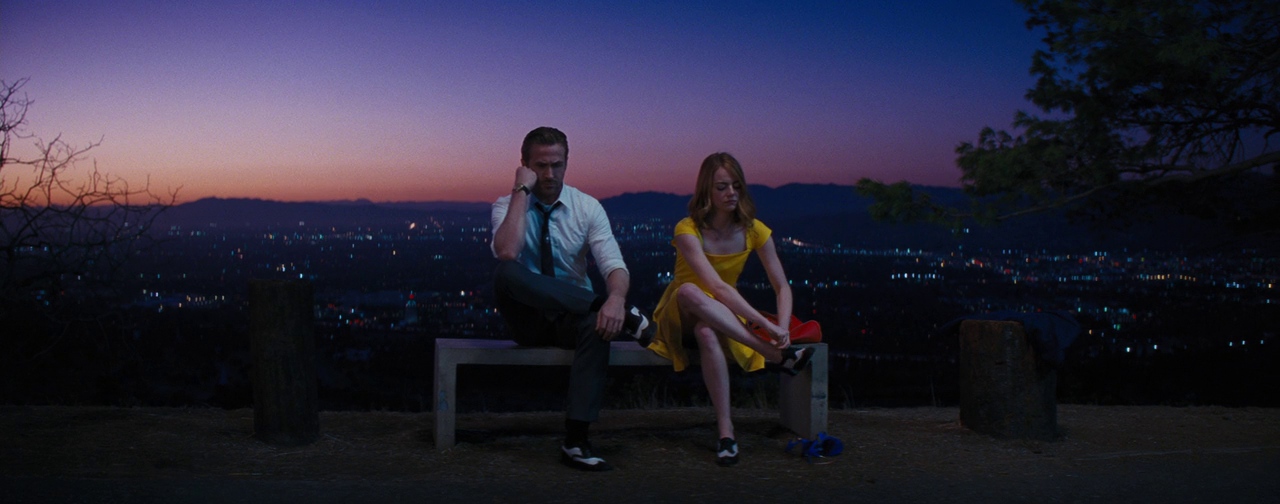
La La Land (2016), dir. Damien Chazelle
Out of all the films, out of all the fashion films you covered, you mentioned that your favourite genre of psychological thrillers, are there any particular films that inspired you? Just your fashion sense or just your creativity in general?
Sumi: Yeah, I think the biggest one is probably Once Upon a Time in Hollywood. I watched that when it first came out in 2019, and it was like completely life-changing for me. Still to this day, as soon as the first sun rays out, I’m listening to the soundtrack 24/7. It’s how I discovered Sharon Tate. And I loved the costume design in that film as well. I loved what they did with Margot Robbie, even though she has a small part. It’s really what made me fall in love with 1960s fashion. Yeah, it’s probably my number one thing that I pin on Pinterest as well.
But I love Catherine Deneuve in general. And I watched Belle de Jour for the first time, I think in November. And like I said before, the looks, the YSL looks are delicious. They’re gorgeous. The coats, the hats. I think it’s made me experiment a bit more with how I dress, wearing headpieces, and what kind of shoes I like, and what I look for. I think those are probably the ones.
Asya: Once Upon a Time in Hollywood was just so beautiful, fashion-wise. And the looks were just, I think I was looking for mini dresses and the boots for like a month after that.
Sumi: Yeah, so beautiful. I got boots like that, exactly like that, right after the film came out, and I lost them. And it’s still like, they were Zara boots or something, so it’s not like a crazy loss, but I think about them every day, genuinely.
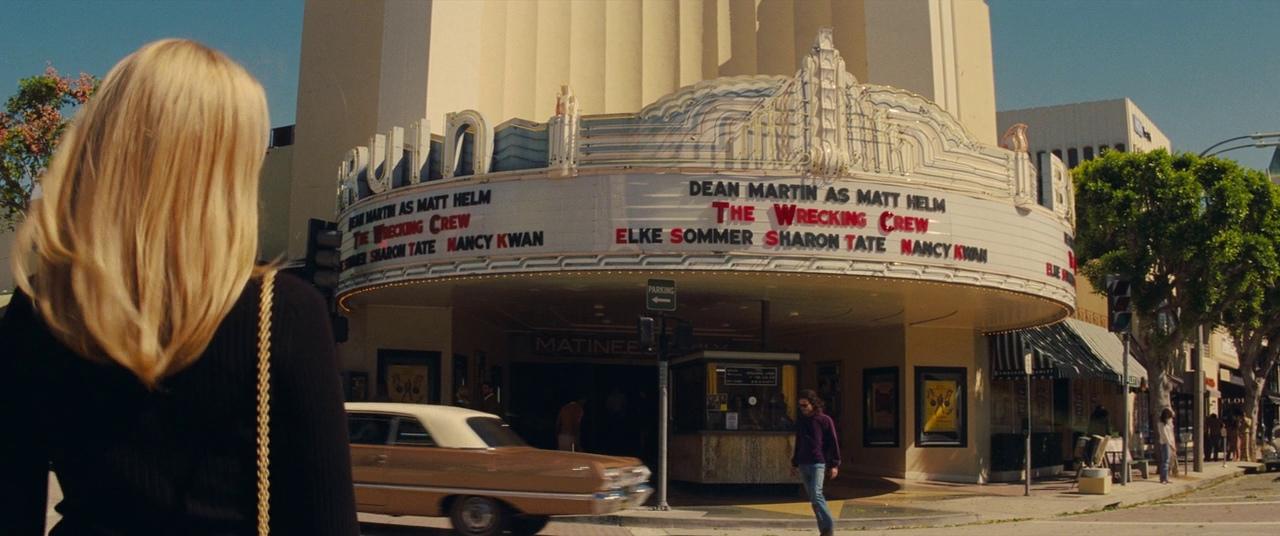
Once Upon a Time... in Hollywood (2019), dir. Quentin Tarantino
Asya: Are there any features, just in any film that you watch in general, that you find inspiring? Something that no matter what film you watch, it just catches you, and you’re like, okay, this is something I can talk about and just go from and explore.
Sumi: I love it when the director, production designer, or costume designer knows how to use colour effectively. And I think the OG of this that I can think of is probably like Jacques Demy and The Umbrellas of Cherbourg. It’s beautiful to look at. And it’s inspired films like La La Land, where I think the use of colour is also genius and helps communicate a lot emotionally, but also narratively. That’s something I always appreciate.
And then again, Jacques Demy, I love the Young Girls of Rochefort a lot. And yeah, again, like obviously anything that Edith Head did with films like Funny Face, Sabrina and Charade, just beautiful and revolutionary. It gets me really excited whenever I see the title cards at the beginning of old films, and I see that Edith Head worked on a film, I already know it’s going to be amazing. And What a Way to Go as well. Oh my God, that one’s incredible. Just yeah, stunning, yeah, Shirley MacLaine.
Asya: What are some of the most interesting tools that were used as storytelling tools via art and fashion that you’ve spotted in any films?
Sumi: When I watch any of Jacques Demy’s work, the way he uses colour, but I think the most interesting things I’ve come across have all been about David Lynch in my research about the films that he makes. I mean, I found out that he started as a painter, which I didn’t know, which I thought was fascinating. And the fact that he practised transcendental meditation daily, I didn’t even know that was a thing. And I thought it was so cool. And the way he made his storyboards was just really fascinating. And I just think that, you know, even the influence that Salvador Dali’s work has had on his films, and the way he constructs a shot or constructed a shot. I just think he’s like the coolest person ever. And we lost that one way too soon.
I feel the same way about Alfred Hitchcock’s work, and the influence that I guess, Freud, Carl Jung and different philosophers even had on their work is fascinating to me. Didn’t even know that was possible before I started making these videos and doing extensive research.
Asya: I didn’t know that about David Lynch, but the second you said it, it made complete sense.
Sumi: It just makes sense, right?
Asya: Also, his picture as a filmmaker, just through everything that you said, and everything that I knew about him before, is just so concise. So it makes perfect sense that he was a painter, actually.
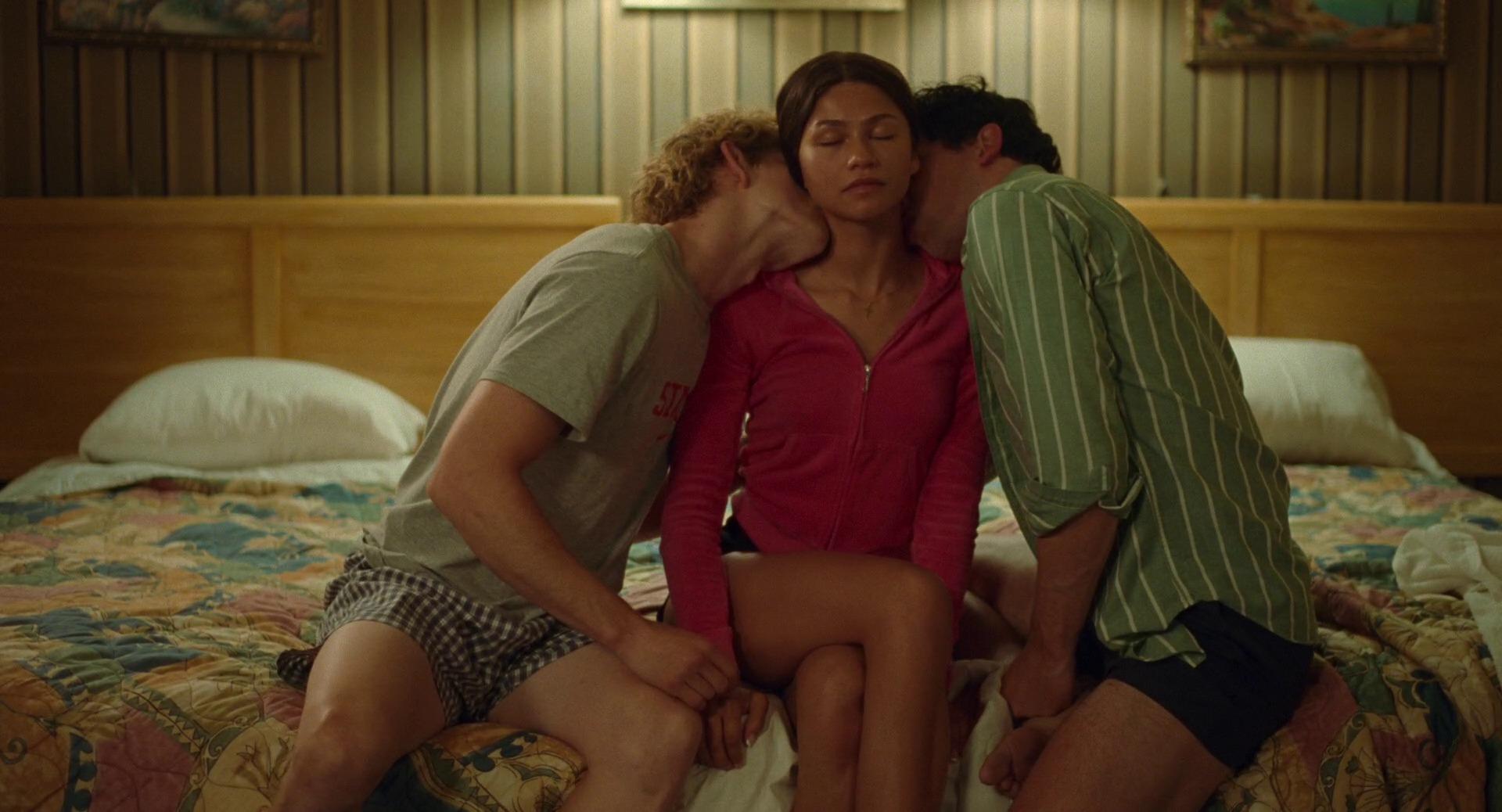
Challengers (2024), dir. Luca Guadagnino
You kind of answered that a little bit, but what are some of the most unexpected things in general that you’ve discovered while doing your research? Certain things about films you didn’t know, or just about creating this world around films that you’ve discovered?
Sumi: Literally everything that I just said about David Lynch and Alfred Hitchcock, in particular, but also the way in which costume design was approached and is still approached to this day.
I’m really fascinated by designer collaborations with filmmakers, like Givenchy and Audrey Hepburn. I mentioned Yves Saint Laurent and Catherine Heneuve before. We talked about Jonathan Anderson and Challengers, which I love reading about. Because oftentimes those collaborations, they either start with the individual actor and the designer, and then kind of flow over into whatever project they’re working on, or it starts with a designer coming onto a project and then discovering a muse and working with them one-on-one in their personal lives, which I find really fascinating as well.
I feel like I have other things that I find really interesting. I guess, even the way that the camera itself can be used in a film. I was lucky enough to have a chat with Aiden Zamiri and Charli XCX about their new film, The Moment, and Aiden said something really interesting about how the camera is very much a character in this film, which you can really tell. I don’t want to spoiler anybody who maybe hasn’t seen The Moment yet, but go watch it. It was incredible.
You can really tell when you watch films what the camera is trying to communicate. And not just cinematography-wise, but even the movement of the camera itself, how invasive it is in a shot. I love stuff like that, and I thought it was fascinating.
Asya: I love talking about the camera work in general as well, because even Challengers that we keep getting back to.
Sumi: Oh my God.
Asya: That scene was just, for the first couple of seconds, I had no idea what was happening. I didn’t realise that you can even use the camera in that way.
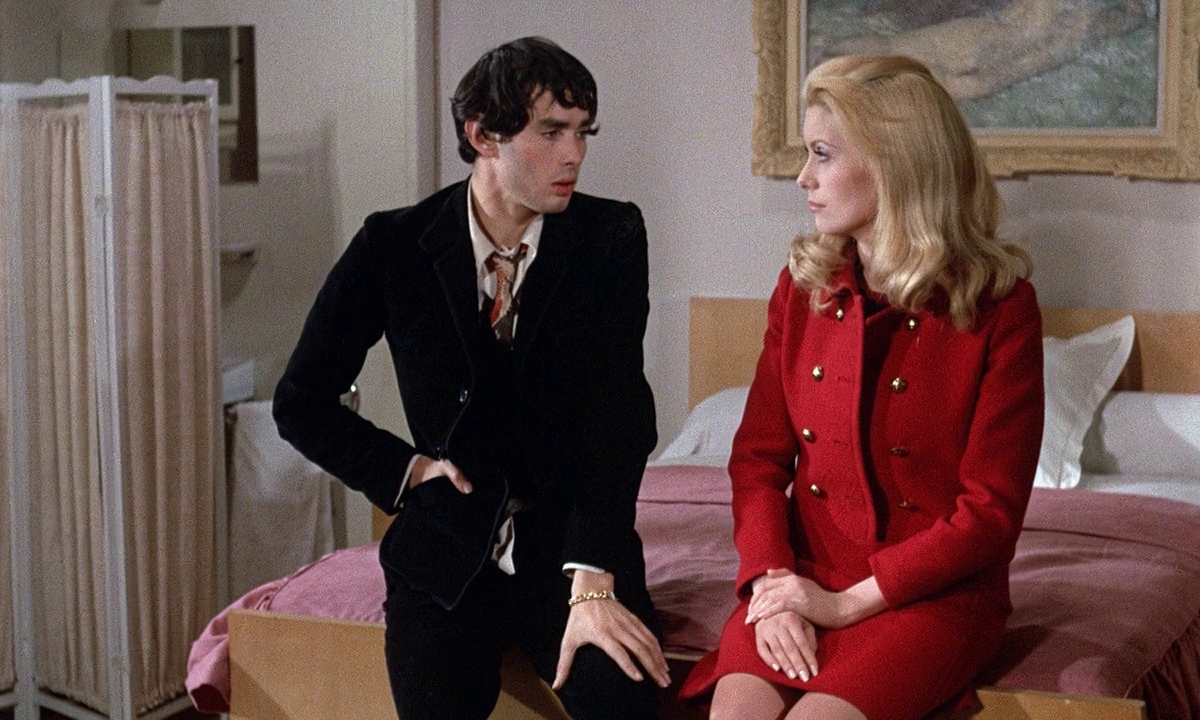
Belle de Jour (1967), dir. Luis Buñuel
What do you think is the future relationship between fashion and film, and also other storytelling tools in film, and how do you think it’s going to develop and progress in the future?
Sumi: I hope they stay intertwined. I think they will, honestly, and I think inevitably, different art forms always inspire different art forms, and I think these two are probably my favourite alongside, I guess, fine arts.
How do I think this will progress in the future? I would hope that we get some new, really interesting fashion house filmmaker collaborations with younger designers, up-and-coming designers. Yeah, I think people underestimate how varied artists’ tastes can be. It goes back to everything that we’ve essentially been talking about today, but one of my friends, he owns an archival fashion business, and he knows so much about so many films that I haven’t even seen, and I’m always fascinated by his mind, but also about the knowledge that he has on archival fashion, and so I’m really curious to see, I guess, where our generation takes it and what we’re going to do with that.
But yeah, I’m really excited.
Asya: I also think that our generation is very much inspired by… We have so much choice of the characters that we can get inspired by, and I think we’re taking so many risks of like, today I’m going to dress like Audrey Hepburn in Funny Face, tomorrow I’m going to dress like Sharon Stone in Casino, and it’s just so much of this variety, so I think it’s really cool that we can also get this inspiration and continue this character dressing in our real life, which is just awesome.
And I think your videos are also such a great way of educating people on that inspiration and making it a bit more conscious, because obviously, you can wake up and you can dress like a character from a movie, but through videos like yours, you can actually understand that character, and maybe they can inform your style a bit more. So I think that’s also just great for all the girlies who want to get inspiration for that.
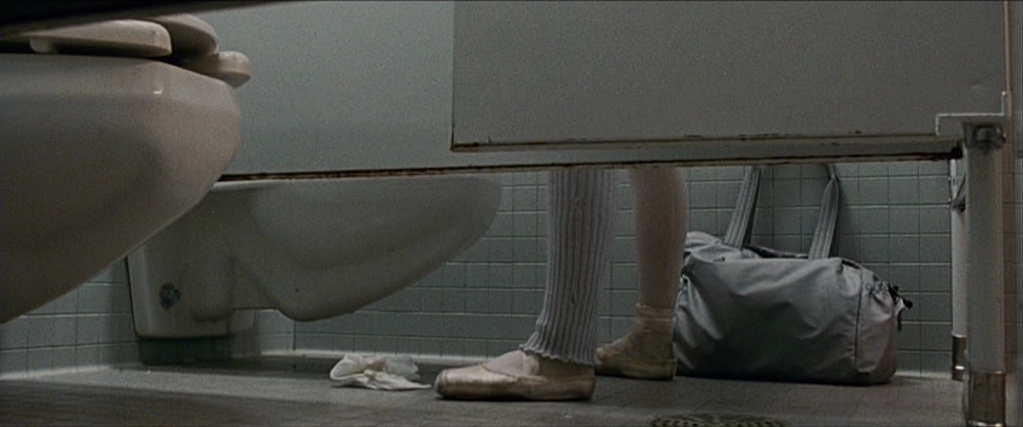
Black Swan (2010), dir. Darren Aronofsky
So what are your plans for your content as well? Is there anything you want to evolve into? Is there anything that you want to progress into with your content?
Sumi: I guess I’ve been really amping up the amount of films that I watch, so I kind of just want to keep going, but even harder and talk about more films. The more I consume, the more curious I get, and the more I want to talk about the films that I’m watching,
I guess I’m currently figuring out how to marry fashion and film and my videos a bit more closely. Can’t really give any concrete plans that I have yet, but I have a couple of ideas, and I am excited to hear people’s thoughts and to try things out, try new things. And something that I’ve promised myself I would do this year is to approach ideas that I have with less judgment and just try it. Just take a shot at it, have an attempt.
If it doesn’t work, it doesn’t work. I don’t care. If it does, great. And the good thing about social media is like, if you don’t like a video, if you really don’t like it, you can always delete it, which I don’t tend to do, but yeah.
Asya: So excited to see what you’re going to do next in all the videos and learn about more films through you. Thank you so much for this.
Sumi: No, thank you. This was so fun.