Categories Art, Culture
Published March 29, 2026
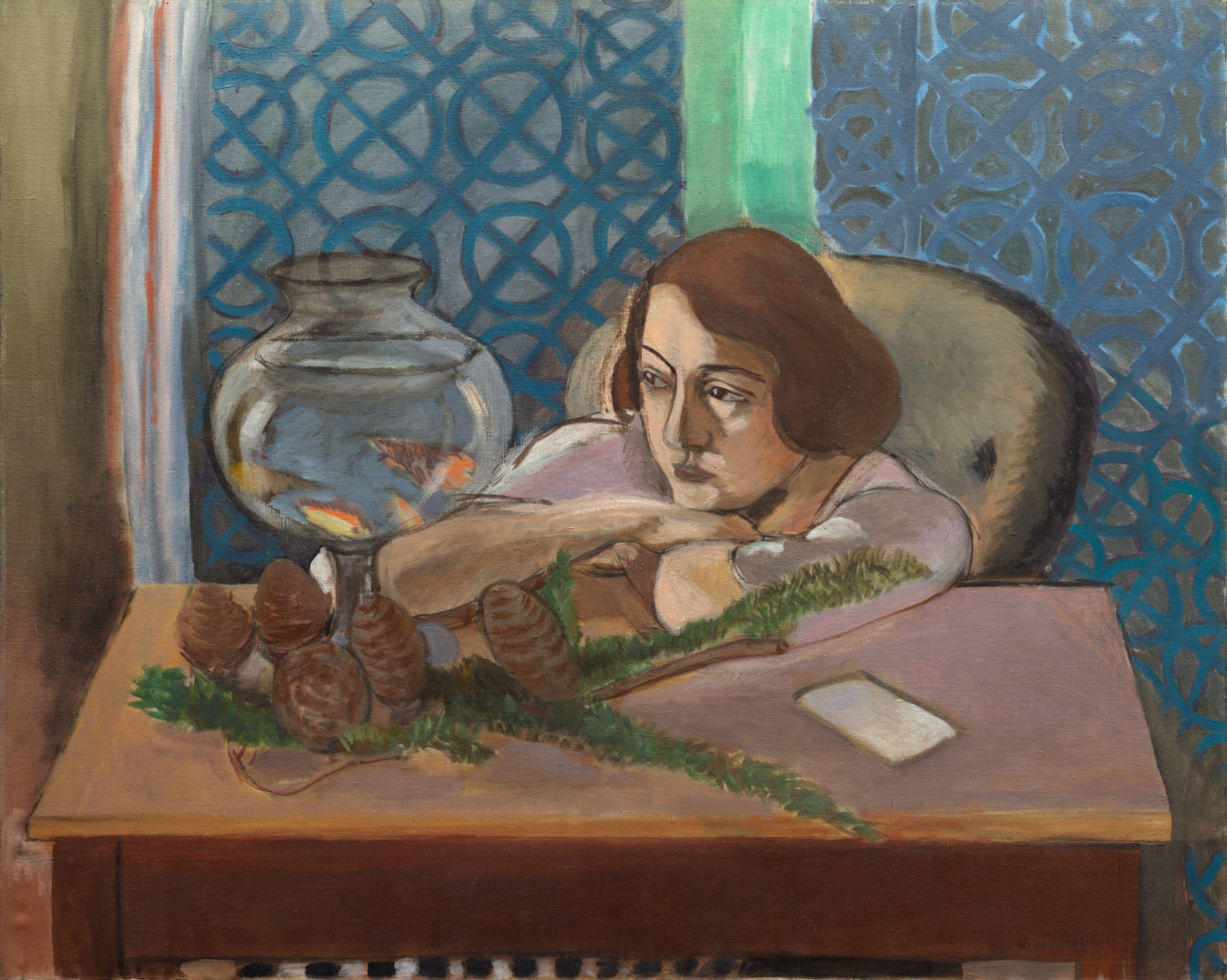
Woman Before an Aquarium, by Henri Matisse
Story Taste: Negroni, just the right balance between sweet and bitter.
Story Scent: burning wood in the cold mid-winter air
Story Sound: “Fallen Alien”, by FKA Twigs (or really the entire Magdalene album on loop)
At what price do we really opt out? Welcome to the twenty-first century, where you can’t exactly disappear into a cave and live on berries unless you enjoy tax notices arriving unannounced. Withdrawal is no longer geographic. It is ideological. You can step away from the crowd, but the crowd rarely steps away from you.
We like to believe that opting out will protect us. If we refuse to pick a side, we will not be blamed. We hover above the fray, balancing our superior intellect and a cup of tea while civilisation sorts itself out. Choosing not to choose is still a choice. And in a world that monetises belonging, it is often a very expensive one.
To belong, more often than not, means nodding along when your instincts scream otherwise. Belonging is a double-edged privilege. What protects you can also erase you. You are expected to love one camp and passionately dislike its designated enemy. Nuance is suspicious. Complexity is inconvenient.
Hate the correct villain.
Love the correct hero.
Continue as programmed.
History has a mischievous habit of rearranging the cast list. Take the “enemy” who later becomes inconveniently admirable. Societies are remarkably efficient at manufacturing villains in real time and equally efficient at rehabilitating them once the moral winds shift. The uncomfortable truth? Today’s “correct villain” may simply be tomorrow’s inconvenient truth-teller.
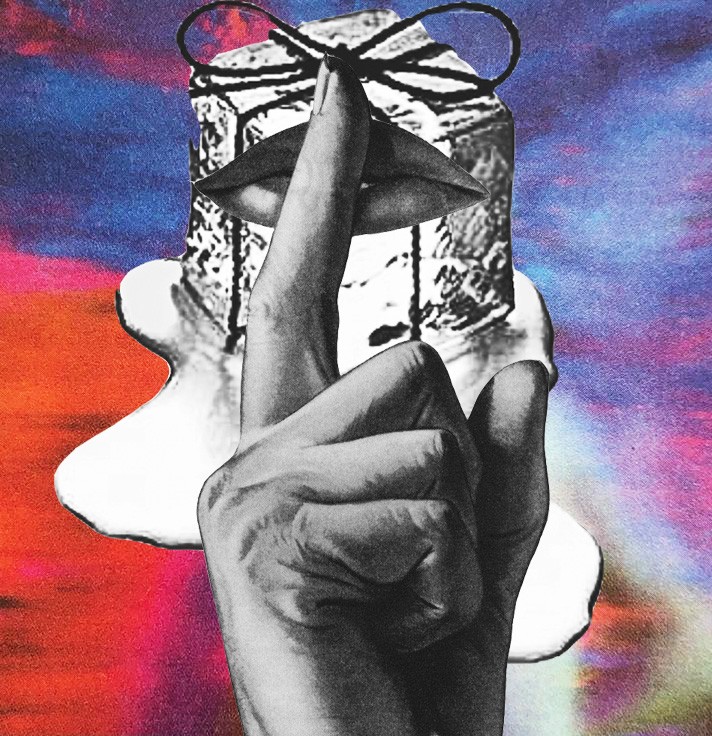
To bet everything on staying out is to assume that you can walk past the charade unmarked. Policy will shape your taxes, your rights, your privacy, your labour conditions, and your bodily autonomy. But is chosen exile merely political — a reaction to institutions, parties, regimes — or is it rooted far deeper, entangled in our inherited patterns and early childhood imprints? Exile is not only an event imposed from the outside. It is not just banishment, censorship, or displacement. It is also a posture — a way of metabolising experience. Exile is not only what happens to people. It is what people decide to do with what happens to them.
Modern dynamics praise participation just to wear it down later — endless news cycles, recurring crises, revolts, rhetoric. Sure, joining in offers something seductive: community, protection, the comforting illusion that you are on the right side of history. There is safety in numbers. There is even the promise of tomorrow. But what is the entry fee?
What is the cost of stepping into the soul-eating hula-hoop of perpetual allegiance — where belonging is performance-based, and friendship is conditional? Where solidarity lasts precisely until the next promotion or the next opportunity to climb half a rung higher? Of course, opting out has its own penalties. You risk irrelevance. You risk invisibility. But that’s the point. When you’re invisible, you’re free — or at least that’s the fantasy.
Chosen exile often starts looking extremely wise. There is a certain cosmic glamour to it — like being gently struck by a meteorite and realising you might be the chosen one who can finally see humanity from a morally elevated altitude while occasionally judging others for breathing too loudly. The lifestyle follows naturally. You imagine a bohemian paradise where cocktails are served on a silver platter: sleep when you want, think profound thoughts near windows, everything pink and wrapped in rainbows. And then reality knocks politely and asks for rent.
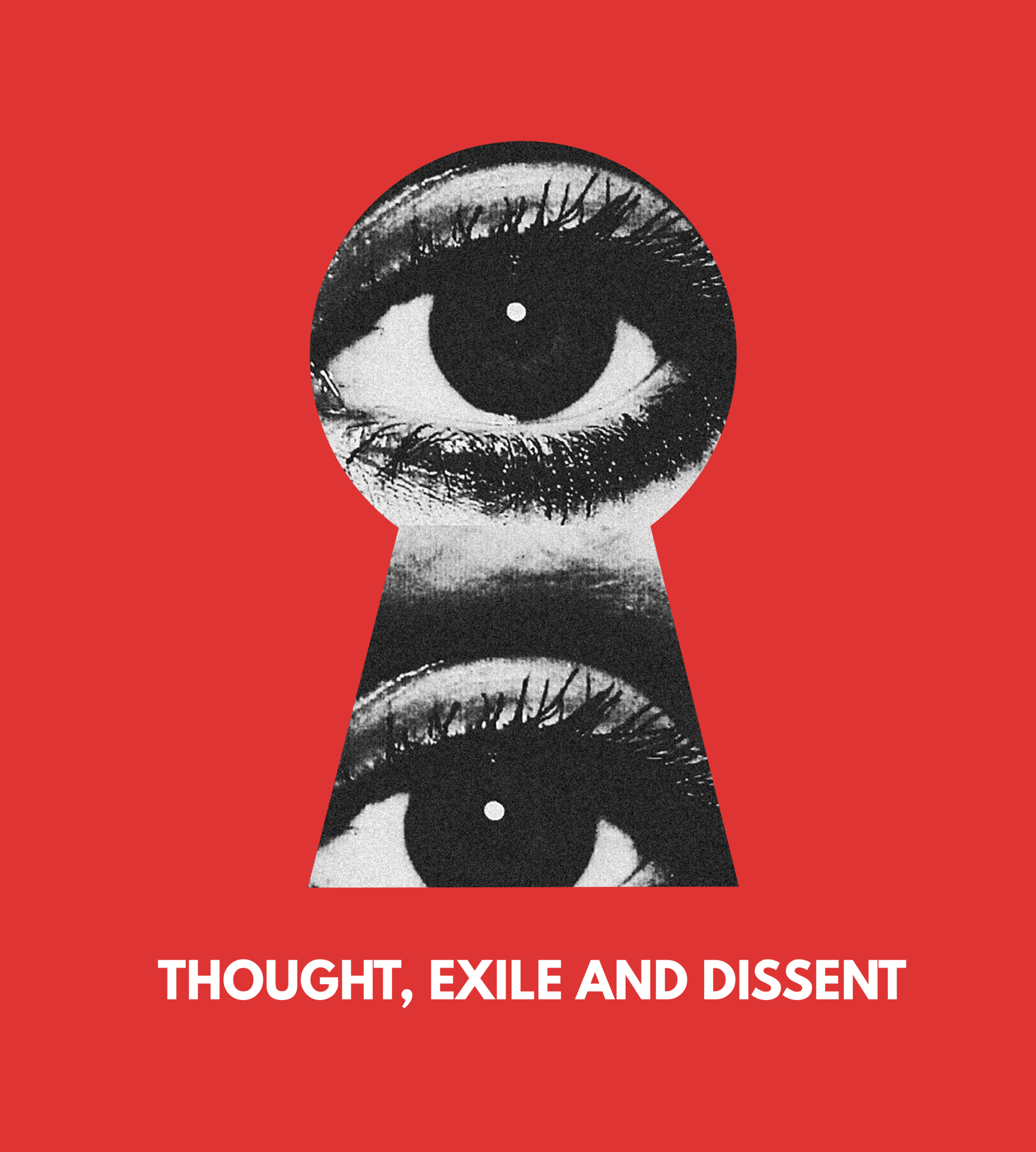
Suddenly, the romantic self-imposed exile of being the mysterious, solitary genius is interrupted by very practical paperwork. Electricity does not appreciate existential superiority. Don’t worry — even if you lose yourself entirely, rent won’t. Grocery stores do not accept poetic resentment as payment. At this point, the question becomes awkward: who is the cool one now?
You are simply protecting your energy, which sounds spiritual until you realise you have begun negotiating with your own social existence. Eventually, you look around and discover a slightly inconvenient truth: you are not only outside the room but possibly outside the version of yourself that used to function inside it.
And then the question arrives, wearing its uncomfortable little business suit. Do you bet everything on not belonging, committing fully to the glamorous mythology of the permanent outsider? Or do you retreat back into the great human carousel, where many people quietly convince themselves that they are happy while spending suspiciously large portions of their salary on therapy and carefully selected bottles of Sauvignon Blanc that promise emotional buffering?
We choose staying out, telling ourselves it is a sophisticated life strategy. It sounds far better than admitting it might just be deluxe self-preservation. We stake connection by withdrawing from it, but if we step in, we risk staking ourselves. The irony is that sometimes the price of staying out becomes the secret admission ticket back in.
The return on that investment is oddly uncertain. Do we collect it in this lifetime, or is this a long-term heritage project?
The Art of Staying Out: A Cultural Journal on Thought, Exile and Dissent.
The Art of Staying Out explores this exact space between belonging and having the nerve to refuse it. Not the romanticised exile of scented candles, but the real threshold where opting out starts becoming consequential.
It is a platform where I explore what exile actually produces: sometimes talent, sometimes clarity, sometimes nothing but friction — and occasionally the outline of a different life altogether. I look at artists, writers, and the so-called difficult or strange figures of their time who questioned the status quo not because it was fashionable, but because it was necessary — or because they simply could not digest it.
This is not a sanctuary for superiority. It is an inquiry into dissent, discomfort, and the price of standing stubbornly apart.
Read all about it at: https://substack.com/@theartofstayingout