Category Fashion
Published October 28, 2026
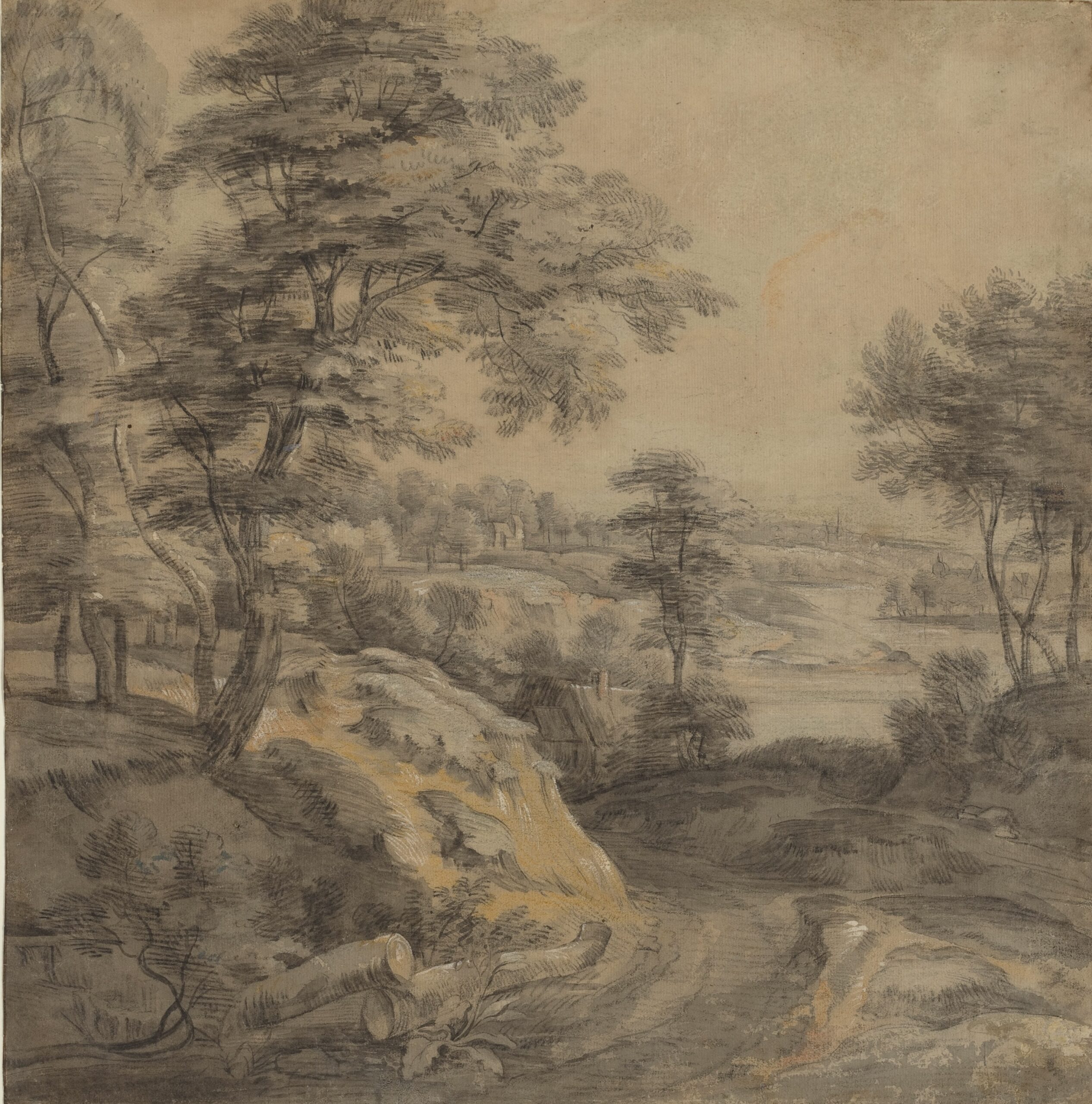
Wooded Landscape with a Road, by Lodewijk de Vadder
Story scent: wet madder root
Story flavour: silk pins
Story sound: fiddle & bodhrán
Through foraged plants and hand-dyed cloth, Arthur Boyd’s latest collection considers the relationship between clothing, landscape and the places we call home – a relationship that the fashion industry has, by and large, preferred not to examine too closely.
We are accustomed to thinking of clothes as the products of design, rather than of geography. A coat is a coat, a dress a dress; their origins, beyond the vague assurances of a label, are rarely of much concern. Yet every material has a history: a landscape from which it came, a process by which it was transformed, and a certain amount of labour, natural resource and good fortune involved in bringing it into existence. Modern fashion has become remarkably adept at concealing these details, presenting the finished garment as though it had arrived, fully formed, from somewhere outside the natural world.
For his forthcoming collection, Madder, Boyd proposes a rather more intimate arrangement between garment and ground. Developed over the past eighteen months, the collection incorporates cloth hand-dyed in collaboration with Frankie Tobin, using plants foraged from London and his native Oxfordshire. The resulting garments offer an alternative to the placelessness of contemporary fashion: clothes that carry, in their colour and material, some evidence of where they have been made. It is an unfashionably literal way of looking at fashion, and perhaps all the more interesting for it.
When I asked Boyd why he had chosen Madder as the title for the collection, and what significance the plant, its colour and its history held for him, he explained, “Madder is the name of one of the plants I’ve used for creating natural dyes which are used throughout the collection. It’s a plant that’s not very commonly known within Britain but it’s thought to have been imported and used since the seventh century by the Romans. I foraged a selection of it from Glengall Wharf Community Garden in South London. It was growing wild there – I went along and they let me pick it, dry it out then create a dye from it. I used it to dye one of the key looks within the collection. All of the dye work was done in partnership with a talented artist and friend, Frankie Tobin, who I initially conceptualised the collection with. I also collected beeswax from Glengall’s hives, to wax my threads with – it’s a brilliant space that often hosts communal nights of folk music, which has been a large part of my life in the past year or two.”
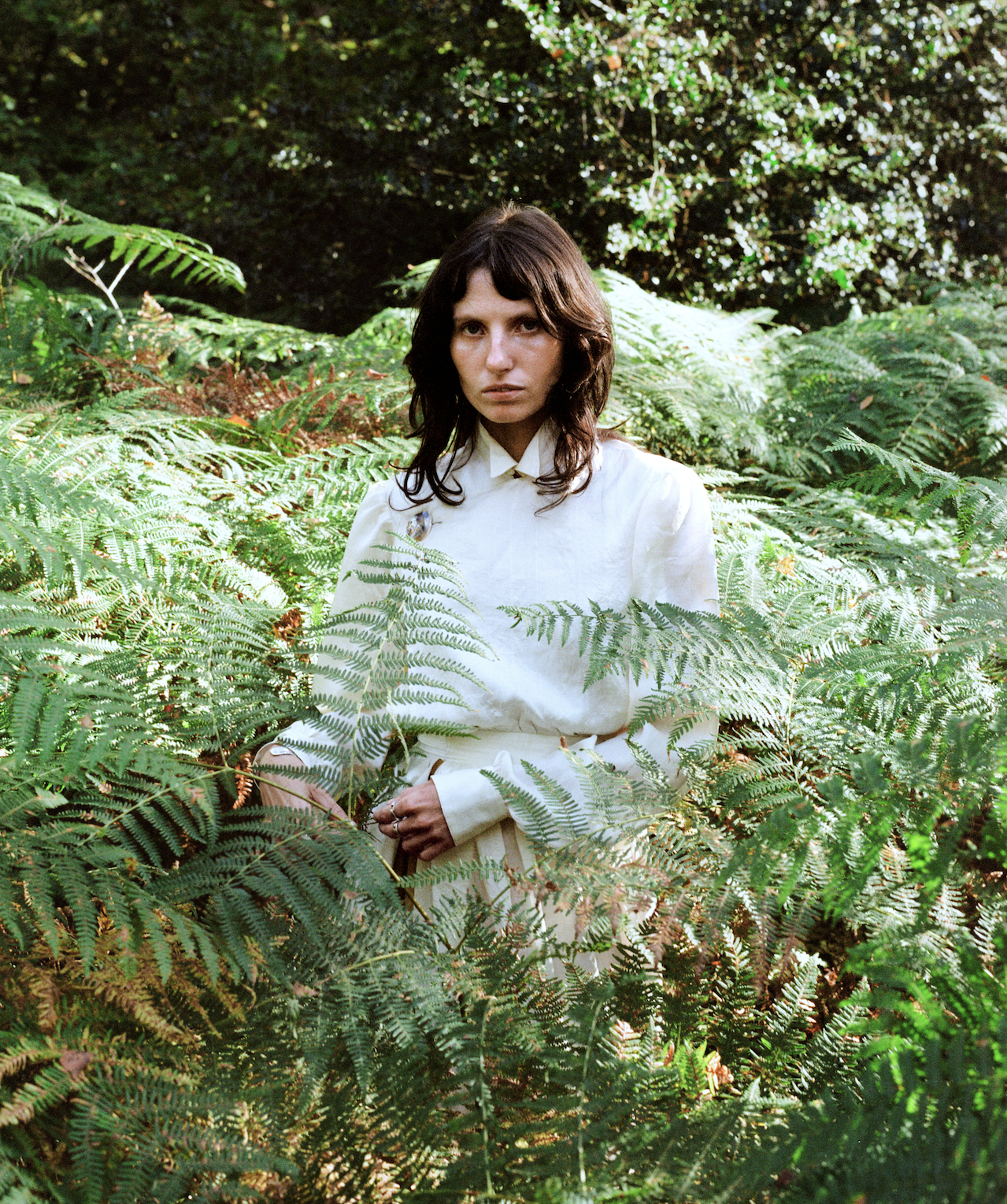
"Madder", by Arthur Boyd
I also asked Boyd what had first drawn him to natural dyeing, and how it had become central to the collection. He told me, “I’ve been aware of, and interested in, natural dyeing for years now. I mean, I first remember having experimented with natural dyes out of curiosity in my mother’s kitchen aged fourteen. She’s the one who taught me to sew, so she was very encouraging of me as a teenager. I’d take my old clothes or old fabrics that we had lying around the house and experiment – I’d use the turmeric that we had on the shelf, or I’d go out and pick rosemary from the garden. I did that without looking into what might work, or how to do any of it – I was just incredibly curious. But over the last few years, I’ve gotten into more of a rhythm with how I approach my work. It made me realise that I really believe, in a sense, in an absolute beauty that all humans can recognise. I believe that comes from an innate recognition of things we see in nature. I think everything that the human eye recognises as beautiful, as calming and satisfying, and essentially aspiring to the sublime – it all comes from lines, shapes or forms that we experience in nature.
So, I think it’s only right to continue with my passion and curiosity for that – to then see what what can emerge from using plant dyes. Also, I’m always using organic or natural fibres as the actual cloth, which take the dye incredibly well. All the silk in this collection has been handwoven in India and it’s taken on the dyes so much better than either Frankie or I might have expected. The cloth has this richness, this sort of metallic shimmer to it. It’s much less uniform using natural dye – where you’re ending up with the actual physical pulp of the material; of the blended root of the madder, or the chopped up pulp of the dock leaves or onion skins and the the root or pulp is pressing against the cloth, it leaves darker marks. So, so you end up with this wonderful rippling effect, and a far greater depth of colour. The plants all give a far wider range of pigments, whereas a synthetic dye would be would be much more singular and flat.”
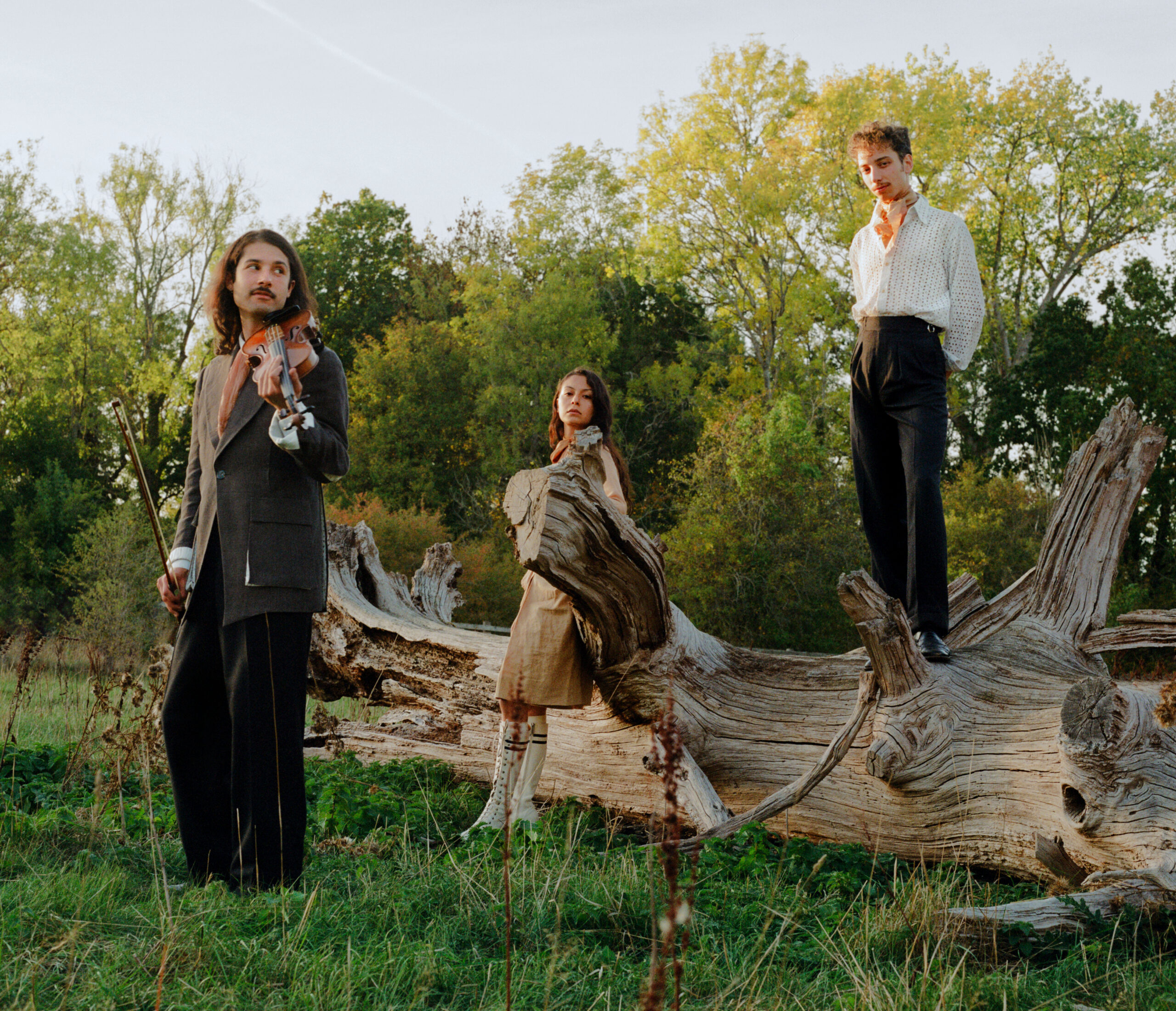
"Madder", by Arthur Boyd
Foraging introduces a rather more tangible relationship between garment and geography. Colour, in this instance, is not selected from a chart by a designer in search of the season’s prevailing mood, but coaxed from whatever the landscape happens to provide. Plants become both resource and collaborator (although the latter term perhaps grants them rather more agency than they would claim for themselves). Their particular properties determine, within limits, the colours that can be achieved.
This raises the question of what it means for a garment to belong to a place. Ordinarily, a landscape might find its way into a designer’s work through its architecture, its light or its general atmosphere – those elusive qualities which are so often invoked in fashion and so rarely subjected to further interrogation. Boyd’s approach is less metaphorical. The landscape enters the cloth itself, through the dyeing process; the relationship between place and garment is no longer merely a matter of resemblance, but of material fact.
Such a claim depends, naturally, upon the particulars. The plants gathered, the ground in which they grow, the season in which they are harvested and the manner in which their pigments respond to different fibres all contribute to the final result. Nature, unlike a commercial colour chart, does not promise consistency. The same process undertaken elsewhere, or at another time of year, may produce something quite different. In this respect, the garment becomes a record not simply of a place, but of a particular encounter with it – one that cannot be entirely repeated, however desirable repetition may be to a manufacturer.
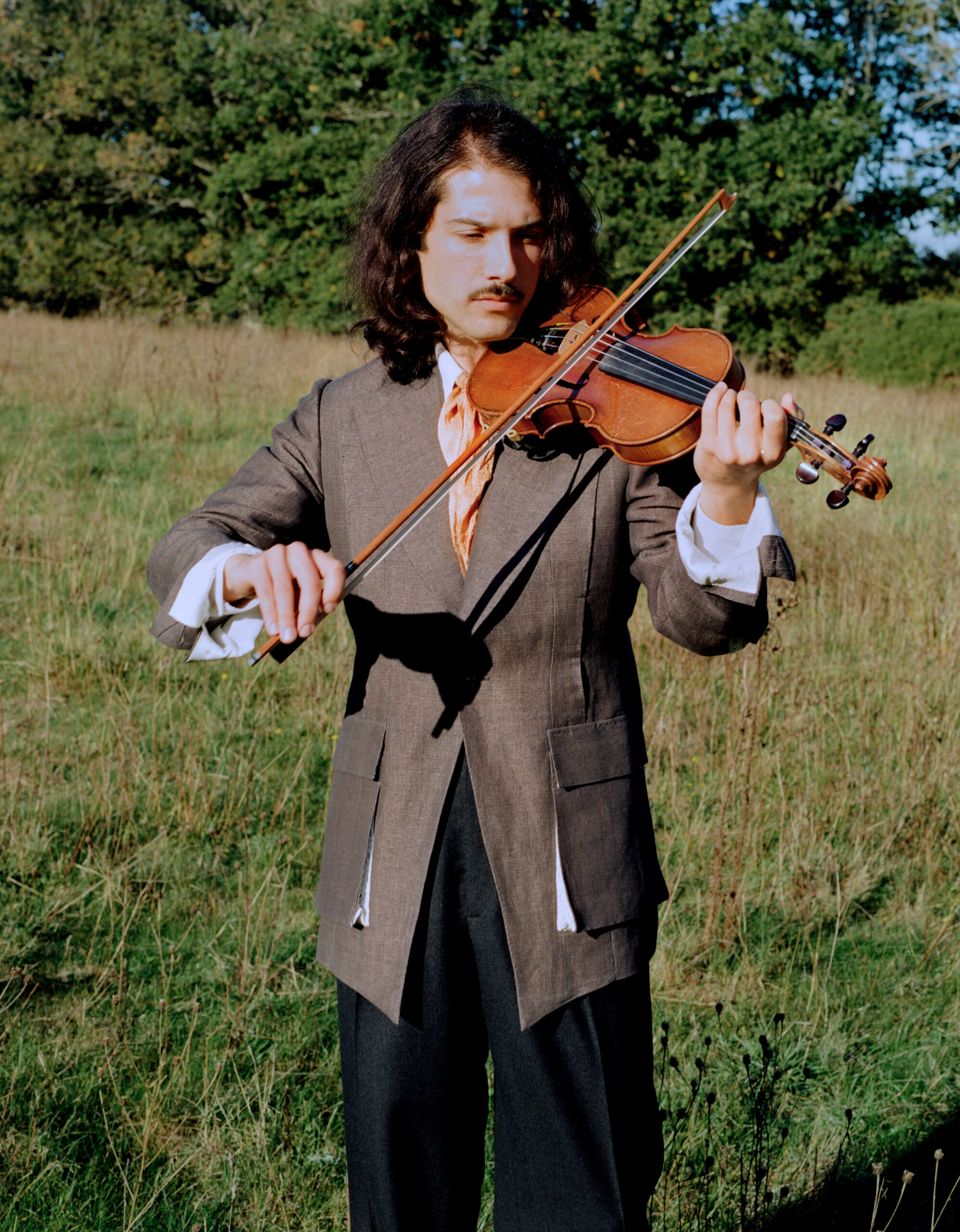
"Madder", by Arthur Boyd
When I asked which plants he had used in the collection, and where in London and Oxfordshire they had been foraged, Boyd described the process. “We used madder root from Glengall. In a dye session with that, Frankie & I left it for two days, and another we left for a week. It gave a interesting contrast between the two: one, a sort of metallic, silverish soft pink, whilst the other ended up as a strong reddish pink. We travelled out to Oxfordshire woodland, to where I grew up, in Ascott-Under-Wychwood.
There, we foraged Dock leaves which resulted in an amazing golden dye in the silk, far richer than either of us had expected. When we dyed the linen and cotton, it produced a gorgeously warm, buttery yellow. For a year and a half, I saved onion skins from my suppers, which resulted in beautifully delicate pinks and golds. I used coffee grounds from Stepney City Farm, too – my local farm café. I was very glad to use grounds from a local provider to save them going to waste. Frankie & I went foraging for mugwort along the canals in Hackney marshes, and did a dye session with those, but ultimately I didn’t use that cloth in the collection.”
I asked what had led him to choose these particular plants – whether he had been drawn to their colours, their availability, their histories or something else. “It was mostly just curiosity, intuition and experimentation. We worked with what was available at the time, and thus grew very attuned to the seasons. It was imperative to not be destructive. When foraging for the mugwort, it was incredibly abundant – so, we could take that freely from the towpath without impacting the landscape. Less than having specific and necessary colours in mind, I was open to submitting to the unreliable and potentially vastly differing results.”
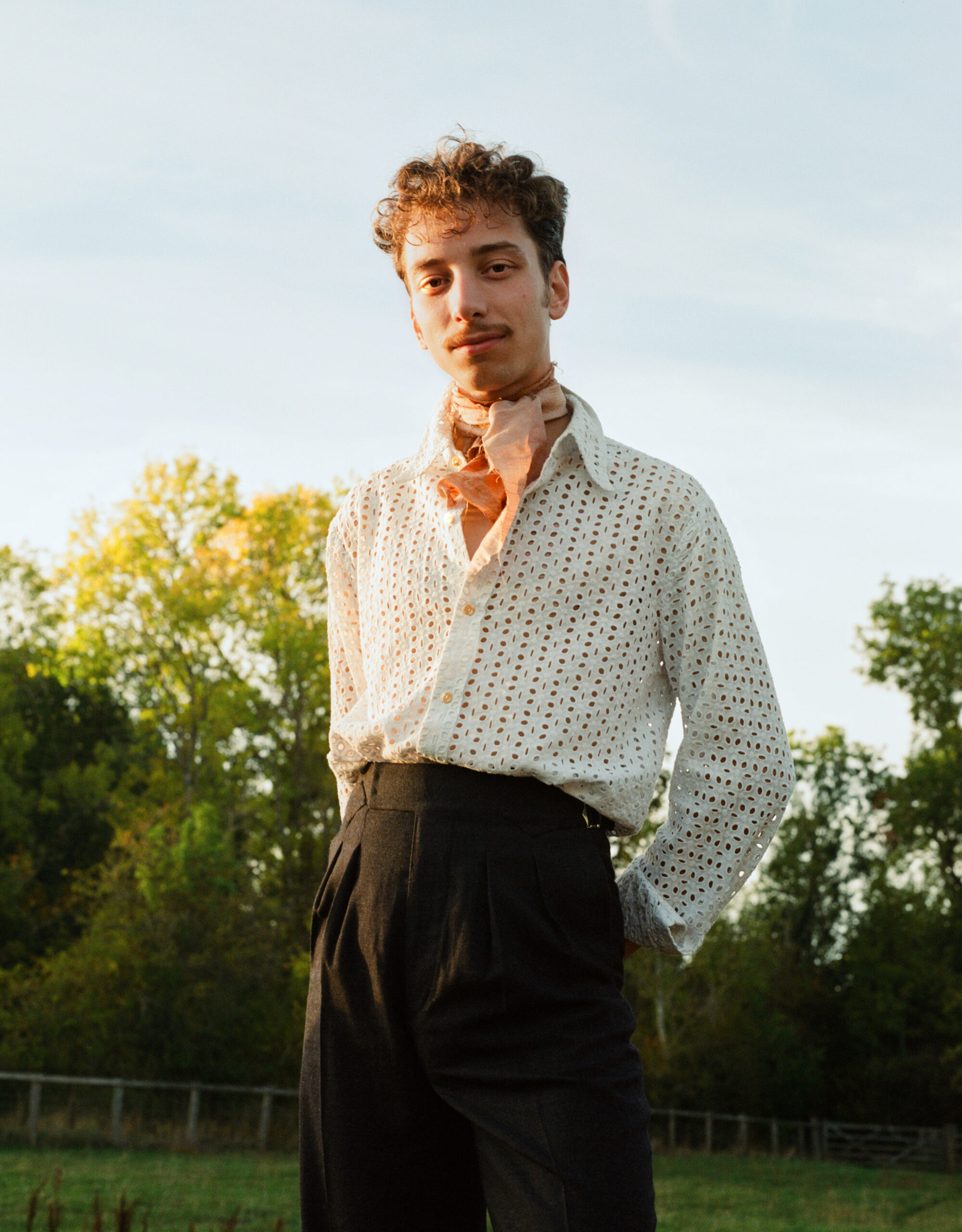
"Madder", by Arthur Boyd
When I asked whether the dyeing process had produced any unexpected results, and whether these had changed the direction of the collection, Boyd recalled, “when dyeing with the madder I definitely hoped for, and somewhat expected, a darker and more powerful crimson-maroon. We achieved a reddish pink instead, and that very soft silvery pink. It didn’t fundamentally change any of the designs. I had loose ideas in mind from the sketches, and loose ideas with what colours might emerge. Certainly, there were some looks that I designed beforehand with an idea of what the colour might be. Often, the colours were softer and less potent than perhaps I’d hoped for, but it ended up all being nicely unified. It’s quite a soft, delicate colour palette which I hadn’t really worked in before. I’m really now quite pleased with it.”
There is, of course, a difference between clothes that look natural and clothes whose production has involved the natural world in any meaningful sense. Fashion has long been able to summon the countryside through a judicious application of brown, green and the occasional botanical motif. A certain shade of mud, it seems, may do much of the work of an entire landscape. Working directly with plant-based dyes proposes something rather less superficial: the landscape is no longer merely the inspiration for the garment, but one of the materials from which it is made.
The process also invites a reconsideration of what precisely gives a garment its value. Where a colour can be traced to a particular plant, gathered from a particular place, the finished object acquires a history beyond the designer’s original intention. There is the labour of gathering, the experimentation involved in extracting the pigment, and the accumulated knowledge required to persuade a plant to surrender its colour to cloth. These are not incidental details, but part of the object itself – although they are rather less convenient to print on a swing tag.
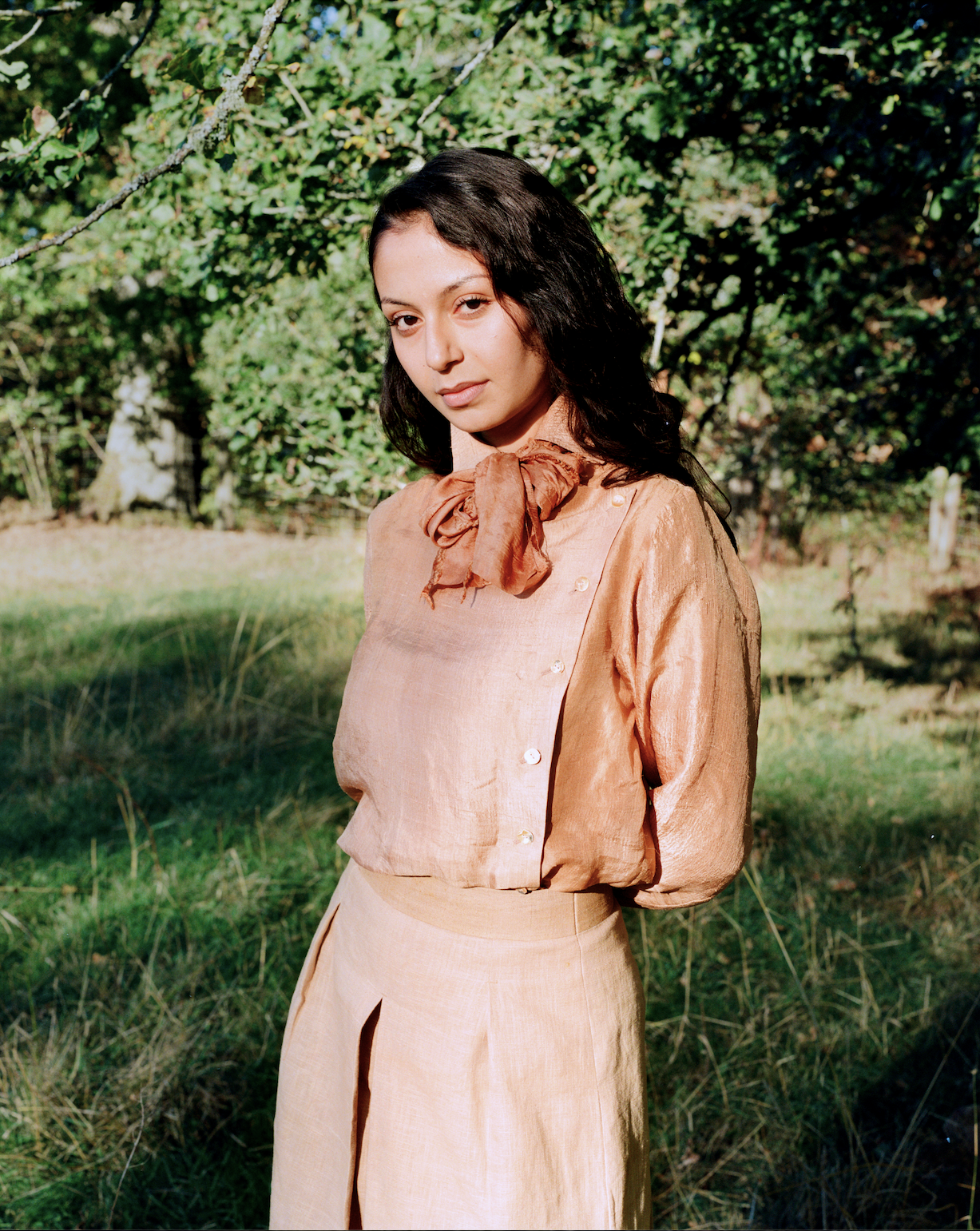
"Madder", by Arthur Boyd
None of this is to suggest that nature, having been invited back into fashion, will resolve its difficulties. Natural dyes are not automatically sustainable, any more than a country house is automatically virtuous. The resources required to produce a particular shade, the durability of the colour and the practical demands of the process all complicate the picture. The significance of Boyd’s approach may therefore lie less in its promise of a universal solution than in its insistence on making visible something fashion has become very good at hiding: the relationship between what we wear and the world from which it comes.
When I asked whether working with natural dyes had changed how he thought about the value of a garment, Boyd assured it does. “Definitely. It’s just reinforced what I already had been aspiring towards, and had been curious about – which is being incredibly intentional with the things that I produce. I have a general philosophy of how intentional people ought to be with how they consume. This is a process that takes such an incredibly long time and requires so much attentiveness – how does one value and price work when it’s taken this long? It’s more about being incredibly intentional with the way that I’m using this cloth.
I knew that I had a very limited amount of it, and knew that I could not replicate the results, even if following the exact methods again. There was an improvisational aspect to the work; when foraging and making dyes that would completely prevent me from from re-creating the exact colour again. In that way, it did actually influence some of the designs. For example, I knew I had only a very limited and quite narrow piece of silk that had been dyed gold. So, when designing that dress, I incorporated a long, quite narrow piece. It was applicable to the design I’d had in mind – but I then had to be very deliberate with how I was using it.”
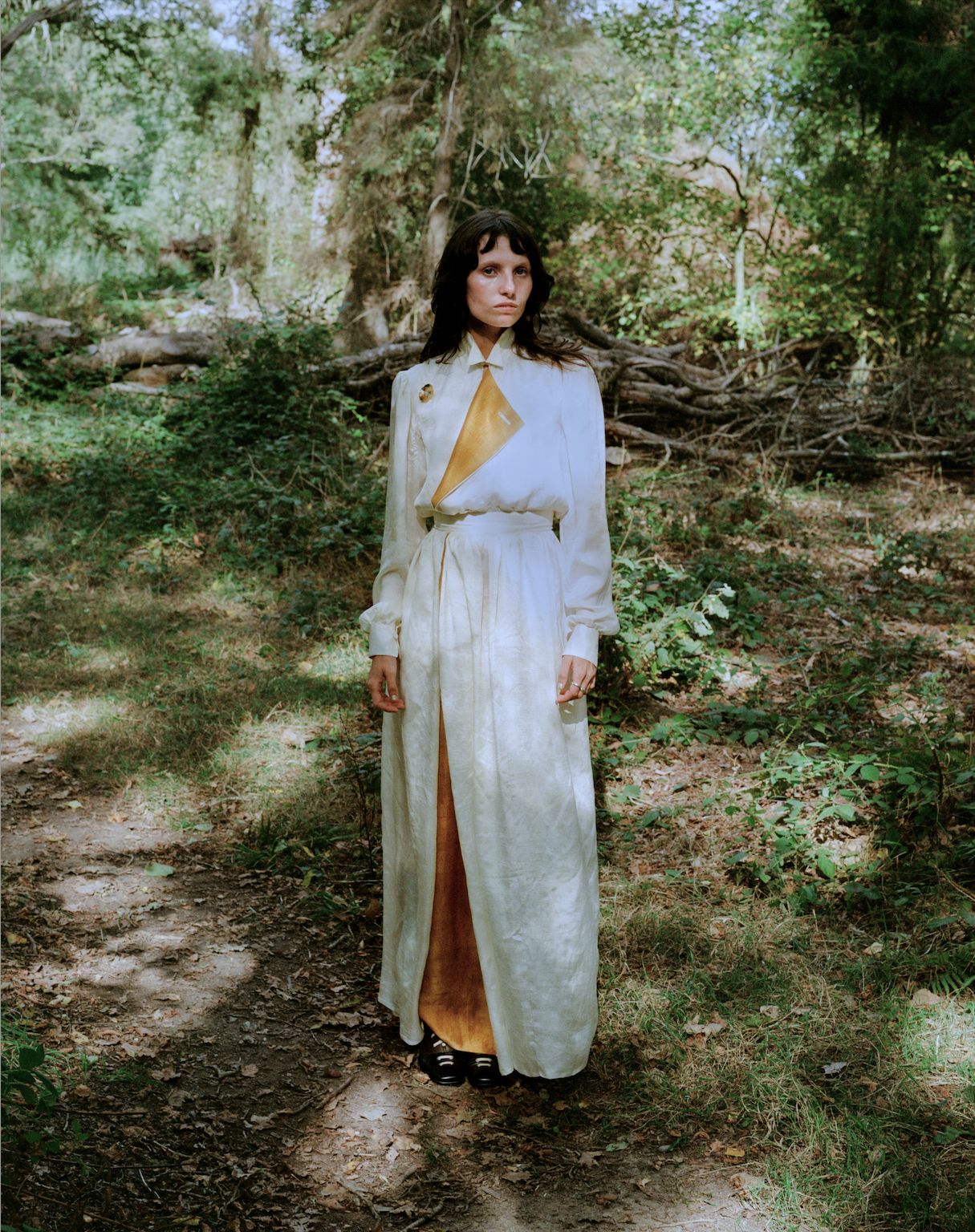
"Madder", by Arthur Boyd
I asked whether he wanted the wearer to understand the relationship between a garment and its place of origin, or whether it was enough for that relationship to exist within the making. “I think the provenance within artwork of any kind – including fashion – is of course incredibly important and incredibly interesting, but it shouldn’t be the primary focus”, Boyd explained.
“The primary focus should just be, is the audience drawn to this piece of work? Do they feel some sort of pull towards it? If they do, then their curiosity should entice them to look into that further. I think I want to encourage a greater curiosity in most people. To be more attentive and more curious about where the things they’re consuming came from. Partly for their own interest and curiosity, and partly because they ought to have a sense of responsibility – to hold themselves accountable to knowing where work has come from. I don’t think provenance should be the primary reason why an artefact, piece of clothing, or artwork is intriguing, but it is significant.”
Developed over eighteen months, Madder also presents a rather different understanding of time from that generally favoured by the fashion industry. The conventional calendar requires designers to produce a steady succession of new ideas, translated into finished garments according to schedules that appear to have been devised in the interests of everyone except the person doing the designing. Foraging, dyeing and experimenting with natural materials introduce certain inconveniences into this arrangement. Plants grow when they please; pigments behave as they will; and neither has shown much interest in the demands of the fashion week calendar.
The distinction is not merely one of speed. It concerns the degree to which the outcome can be determined in advance. Where colour is drawn from plants rather than selected from an established palette, the designer must work within the possibilities offered by the material, rather than expect the material to comply with an existing intention. Uncertainty, ordinarily regarded as an obstacle to efficient production, becomes part of the creative process.
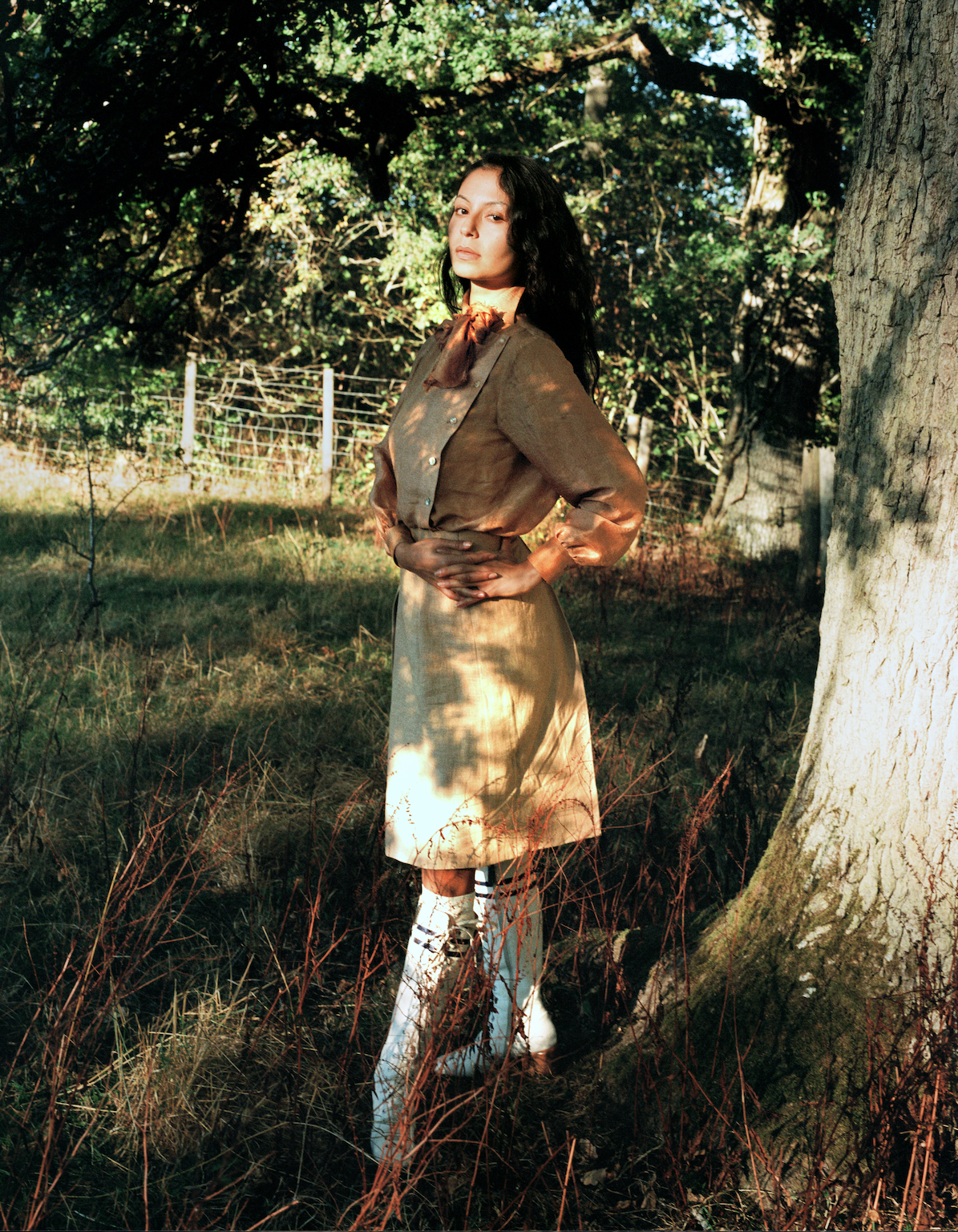
"Madder", by Arthur Boyd
“It’s the longest I’ve ever worked on a collection and that’s been a very nice thing”, Boyd reflected when asked about the eighteen month development process. “I appreciate slowness and I think it’s something that ought to be allowed, even encouraged, in more aspects of every day life and especially within design. Part of the reason why it’s been 18 months has been stepping in and out of other projects, which has allowed me to think about Madder in the background whilst working on commissions. I get to return with revived enthusiasm each time. I think realistically the way that I work is – I’ll spend time thinking about a project, become excited by it, I’ll do my research or spend time with a collaborator, in this instance, Frankie.
I spent a lot of time dwelling on our shared interest in design influenced by the natural world. After that initial ideation, everything came together in quite a short space of time. Suddenly, within a week or two, I found myself completing all of the sketches that ended up being the substance of the show. So, the majority of these looks were designed within a fortnight last spring. There have definitely been alterations to that, as well as completely new looks I’ve added since, but I’ve appreciated developing this relationship with the designs over such a great period of time.”
Boyd’s presentation of Madder extends beyond the garments, incorporating folk music, poetry and performance. The arrangement suggests that a relationship with place might be established through more than the materials one gathers from it. There are also the songs, stories and customs that accumulate over time, though these are rather harder to forage for, and considerably less straightforward to dye.
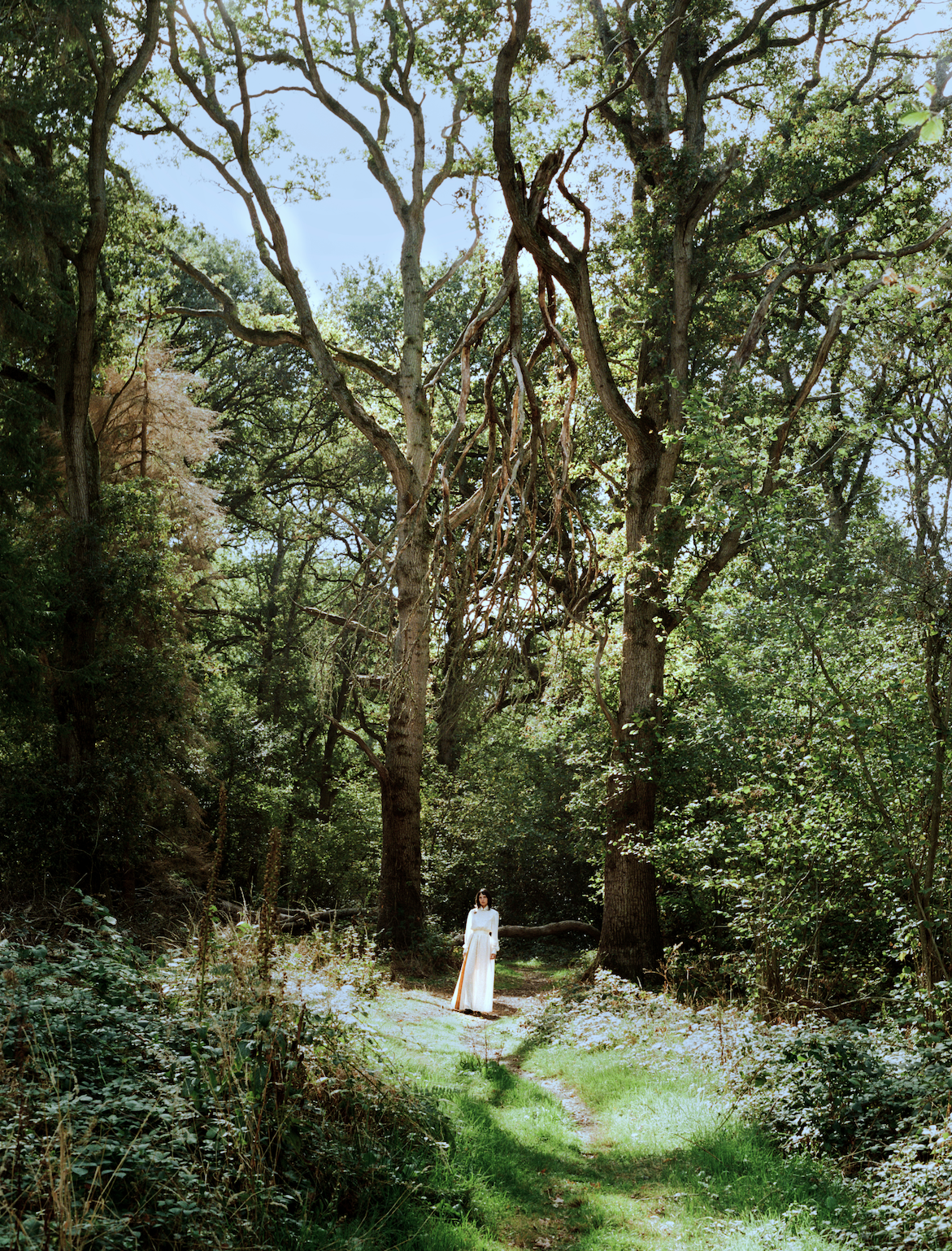
"Madder", by Arthur Boyd
Folk traditions survive through repetition, adaptation and the occasional act of creative disobedience. Knowledge passes between generations, acquiring variations along the way, until it becomes difficult to say precisely where a tradition ends and an individual interpretation begins. Clothing has its own means of transmission: techniques, materials and inherited forms persist, even as their uses change. Both offer ways of maintaining a connection with place without requiring that it remain fixed in the past.
The presentation offers an opportunity to consider fashion in company with other cultural practices, rather than as the self-contained spectacle it so often prefers to be. The clothes will, after all, have to share the evening with the musicians.
I asked Boyd why he had chosen to present the collection alongside folk music, poetry and performance. He told me, “I grew up as a dancer, and until I was in my early teens I was pursuing that as my career. I then switched and pursued fashion instead, but it still plays in an enormous part in my life. In the last few years especially, I’ve gotten back into dancing. Having discovered London’s folk scene, partly because of the building I live in, where I stumbled upon a folk party on the Spring equinox a few years ago. Through that I’ve been introduced to this incredibly rich, diverse and very impactful culture of different traditional music from all over the world, especially within Britain and Ireland. I spend almost every minute out dancing when I’m not making clothes. It’s impossible for me to separate music from the rest of my life, so it definitely has influence on the clothes that I make.
I always knew that I’d be presenting this work through some sort of performance. My previous shows have incorporated music and poetry, and I have no interest in presenting clothing in a standard runway format. I always want to create a space where the audience are invited in. It needs to feel welcoming, hospitable, exciting and warm. I don’t want to just cater to fashion editors and buyers. I want anyone who’s inquisitive to stumble upon my work and find themselves at the heart of it. I’m influenced by all my models, too. They’re all brilliant friends of mine who are incredibly talented musicians, poets and artists. I’ve really crafted the show around showcasing them – they just happen to be wearing my clothes.”
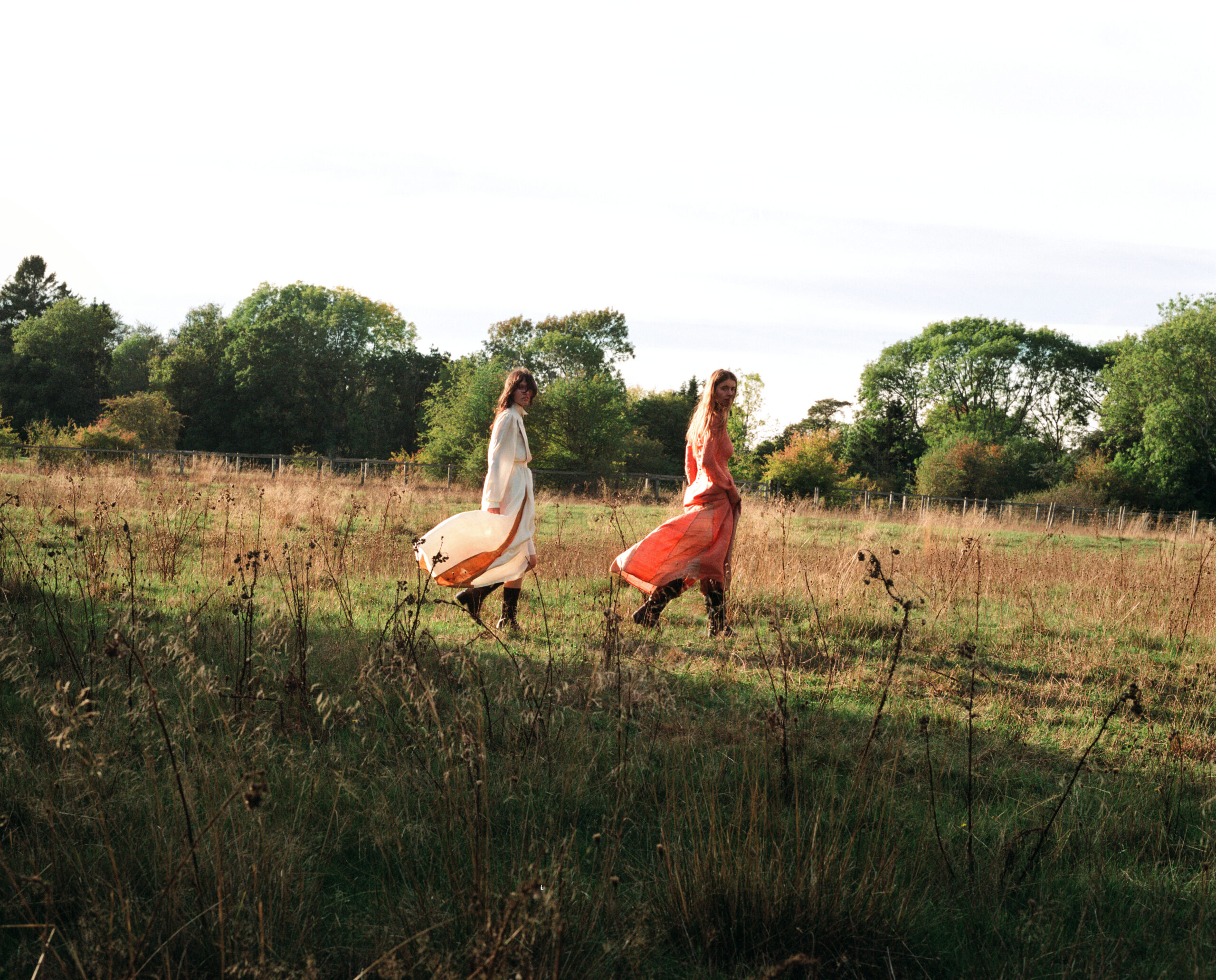
"Madder", by Arthur Boyd
When asked whether he saw a connection between the material knowledge involved in natural dyeing and the transmission of folk traditions, he said “I think that until sixty or seventy years ago, there were far greater similarities between the passing down of folk songs and the making of clothes. Sixty years ago, most homes across Britain would be making their own clothes. That skillset would pass down, traditionally, through the women in the family. That’s how I learned – with my mother teaching me, who was in turn taught by her mother. There’s such a parallel between that and how folk songs are passed down within communities, adapted and developed. Perhaps in that way I might be uniting them again, and that excites me.”
Perhaps the value of knowing a garment’s origins lies not simply in the possibility of making fashion less damaging to the world, but in recovering some sense of obligation towards it. We have grown accustomed to regarding clothing as something the world supplies, rather than something the world must first provide for. Boyd’s collection offers a modest alternative to this arrangement. The clothes we wear have to come from somewhere. It is a curious thing that the industry should have made this so easy to forget.
Arthur Boyd presents his new collection, Madder, on 4th November 2026 at Jamboree, Kings Cross. Tickets are available to purchase here, with all profits going directly to the performers involved.